In shortThe axolotl still clings on in the protected canals, but sightings from a boat are effectively impossible. See them instead in the breeding and display tanks at the Parque Ecológico de Xochimilco, in chinampa refuges and ajolotarios reached on guided ecological routes from Fernando Celada, Cuemanco or Puente de Urrutia, and in the city's aquariums and university facilities.
165 hectaresEcological park habitat
2,657 hectaresProtected wetland area
3.5 hoursMarkets, chinampa, axolotl stop
4.6 ★ (95 reviews)Sunrise kayak rating
Where to see axolotls in Xochimilco
Conservation work in the Xochimilco protected area centres on the axolotl, which the Mexico City government describes as the amphibian emblematic of the capital. The animal is critically endangered in its own water. The few that remain live in the quieter channels of the protected zone, under floating plants, in water that is not clear. Scanning the canal from the bench of a trajinera will get you nothing.
Every realistic sighting happens in a tank, a pen or a fenced chinampa pond, where the water is managed and the animals are visible on purpose.
- Parque Ecológico de Xochimilco, Periférico Oriente #1, Col. Ciénega Grande: some 165 hectares protecting canals, chinampas and axolotl habitat, with breeding and display tanks as the reliable way to see the animal up close. No official timetable for the park could be confirmed, so check on the day before you plan around it.
- Chinampa refuges and research-linked ajolotarios out on the plots, reached on guided ecological routes through the protected canals. These work as conservation and breeding sites first, so the guide arranges access before you set out on the water.
- Aquariums and university facilities inside Mexico City, where captive populations are kept and studied. The research sits close to the water: the Cuemanco plant and flower market, directly across the road from the ecological park, is listed 0.60 km from UAM Xochimilco and 0.50 km from the Museo Flor de Chinampas.
- A guided outing that puts an axolotl sanctuary into the itinerary, so the stop is arranged for you along with the chinampa visit and the boat leg.
Chinampa and axolotl sanctuary in one outing
This 3.5-hour trip from the Xochimilco markets, from 1,900 pesos and rated 5.0 ★ (12 reviews), includes a traditional chinampa and axolotl sanctuary plus a bicitaxi ride to the pier, so the sanctuary stop is already in the itinerary.
★ 5.0/5 · 12 reviews
Why the canals themselves are hard on the animal
The Xochimilco and San Gregorio Atlapulco lake system holds formal protection as a wetland of 2,657 hectares, and roughly 184 km of navigable channels run through it. Protection on paper has not solved what the water carries. Treated and untreated run-off from a city of this size reaches the canals, nutrient loads rise, oxygen falls, and a soft-skinned amphibian that breathes partly through its gills and partly through its skin is the first thing to suffer.
Introduced fish are the second problem. Carp and tilapia, stocked decades ago as food fish, thrive in exactly this kind of warm, murky water, and they eat axolotl eggs and young. The adults have little cover left once the aquatic vegetation goes.
Then there is simple urban pressure. The lake that once covered this part of the valley was drained for the growing city, the groundwater beneath it is pumped, and the chinampa belt now sits against built-up ground on several sides. Plots that stop being farmed stop holding the canal edge in place. That is the context for the refuges: a handful of chinampas where the surrounding water is screened off from the fish and kept clean enough for the animals to breed.
Xochimilco wildlife on the ecological routes
Three docks send their boats through the protected natural zone rather than along the music route: Fernando Celada, Cuemanco and Puente de Urrutia. The borough itself states that visitors on these routes can spot the migratory and endemic birds of Xochimilco, and that is the realistic wildlife payoff of a morning here. Herons and ducks work the plot edges, migratory species use the wetland on passage, and the quieter channels carry almost no traffic once you are past the first bends.
Go at first light if the birds matter to you. Unlit channels set the working day for the boats, which are out roughly between 8:00 and 17:00 regardless of the closing time posted at a landing, so the first slots are the ones with still water, low traffic and light you can actually see an animal in. Ecological routes from Belem are longer, typically four to five hours, usually taking in the Xaltocán and Caltongo lagoons.
Keep the expectations honest. This is a working farming wetland, with plots and canal traffic and no hides. The birds come to you because the water is still and the boat is slow.
Which dock to pick for a nature route
Pick Fernando Celada. Its route runs through the protected natural zone, it is the easiest of the ecological launches to reach, about ten minutes on foot from the Xochimilco or Francisco Goitia light rail stations, and the official site publishes its hours: on weekdays it works from 8 a.m. and shuts at 6 p.m., while on Saturday and Sunday the window runs from 8 a.m. to 10 p.m. About 140 boats are based there. Lunadas, the occasional night outings between 8 p.m. and 10 p.m., go up on the board only when they are running, so do not build a wildlife plan around them.
Cuemanco is the alternative if the ecological park and the axolotl tanks are the main event, since the park sits directly across the road from the Cuemanco plant and flower market, which trades daily from 8:00 to 16:00. Beside the Cuemanco landing, the Michmani Chinampa Eco-Park is open daily 7:00 to 19:00 and runs kayaking, camping, temazcal and moonlight outings on the chinampa.
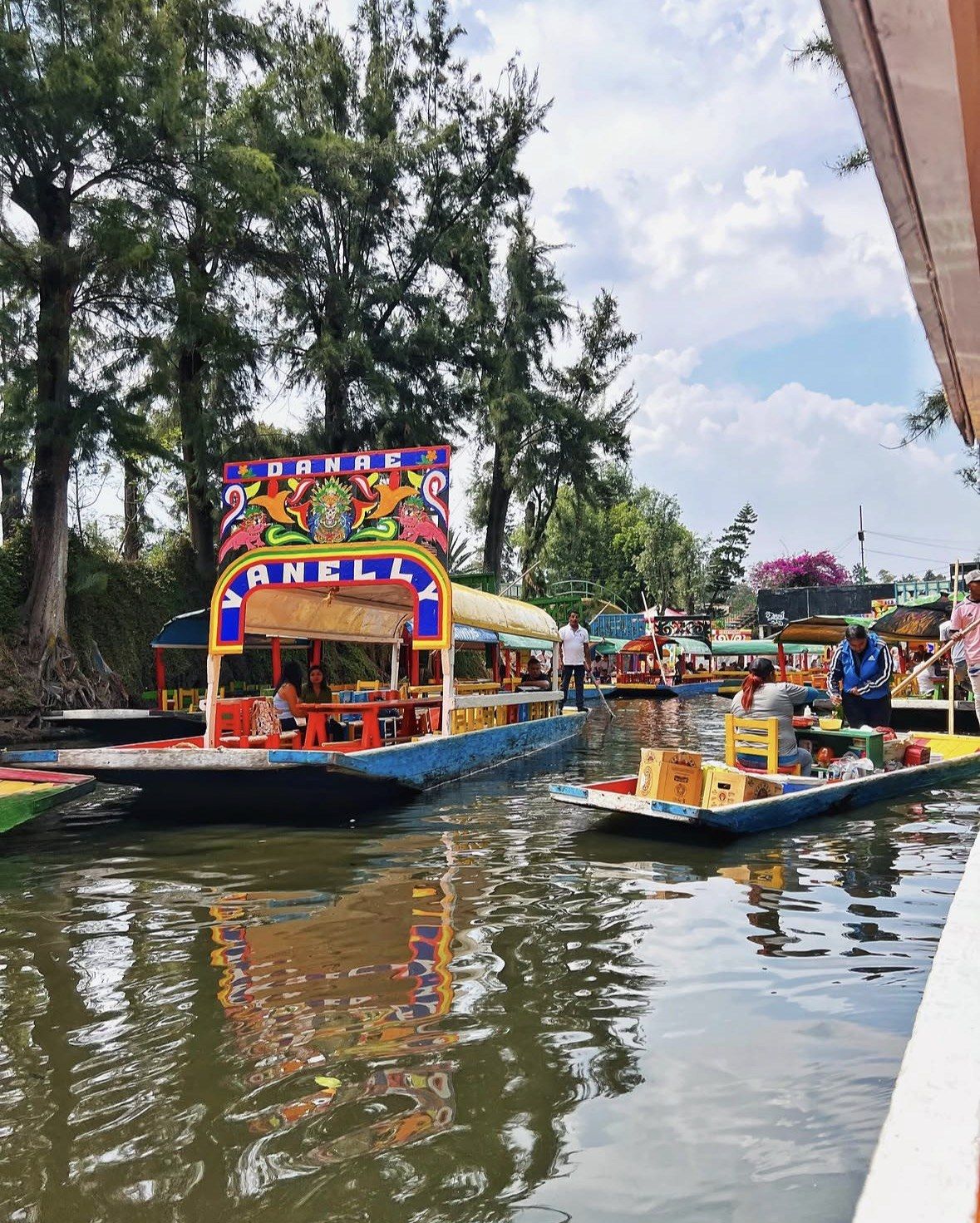
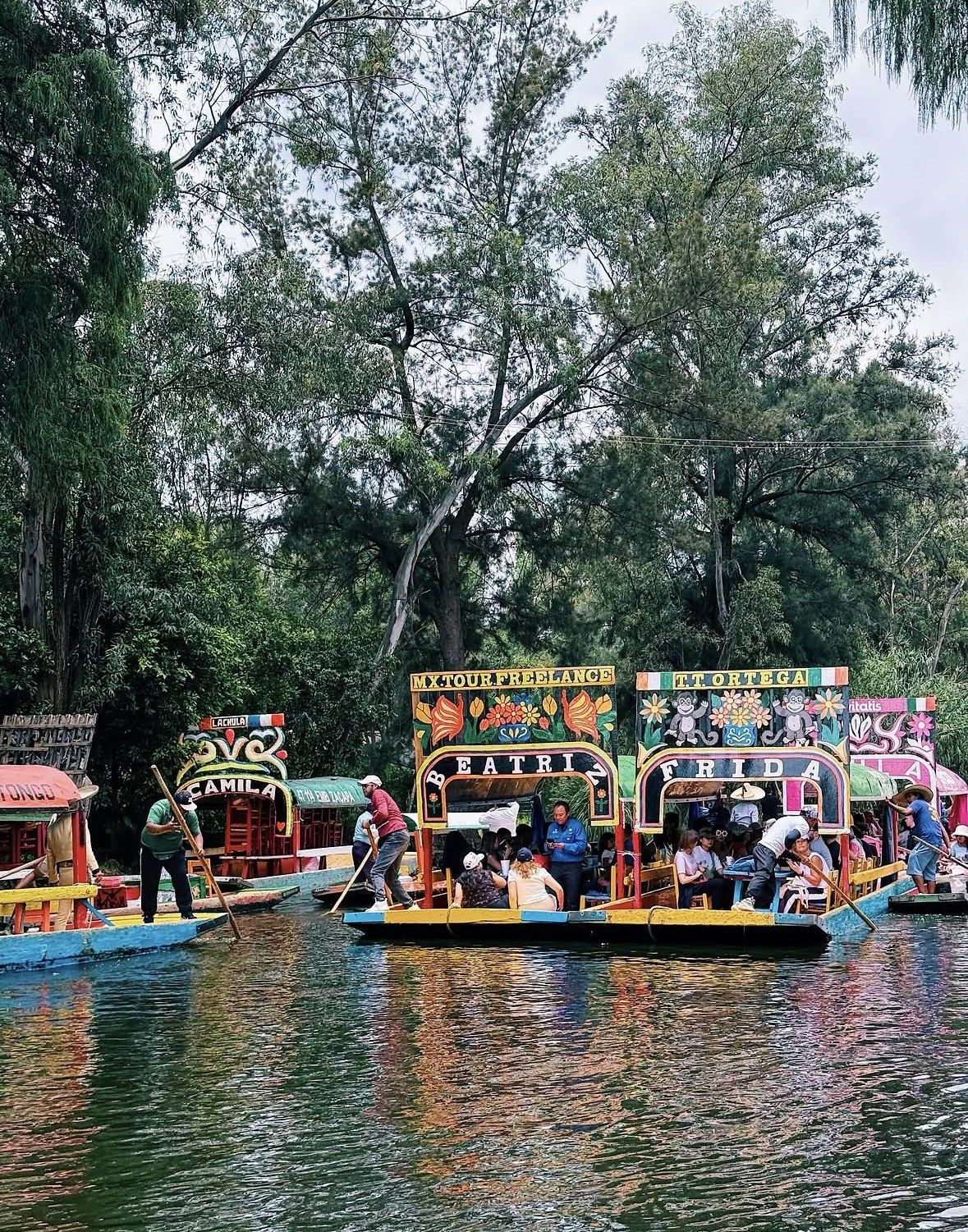
Avoid the Nativitas cluster and Caltongo for this. Those are the traditional routes, with about 220 boats working from Nuevo Nativitas and about 215 from Caltongo, and the water there is where the music and the food boats are.
| Dock | Route | Published hours | Boats based there | Getting there |
|---|
| Fernando Celada | Through the protected natural zone | Weekdays from 8 a.m. until 6 p.m.; weekends from 8 a.m. until 10 p.m. | About 140 | About 10 minutes on foot from Xochimilco or Francisco Goitia light rail |
|---|
| Cuemanco | Through the protected natural zone | Not published officially, check on the day | Not published | Canal Nacional 2000, with the plant and flower market and the ecological park facing the dock across the road |
|---|
| Puente de Urrutia | Through the protected natural zone | Not published officially, check on the day | Not published | No official access note published |
|---|
| Belem | Protected-zone trips of four to five hours, with the Xaltocán and Caltongo lagoons on most itineraries | Not published officially, check on the day | About 130 | Ten minutes or so on foot from the light rail terminal at Xochimilco |
|---|
| Nuevo Nativitas | Traditional route through the music channels | Daily 6:00 to 22:00 | About 220 | Car parking on site, with a large crafts market and small restaurants before you board |
|---|
Building the day around the water and the tanks
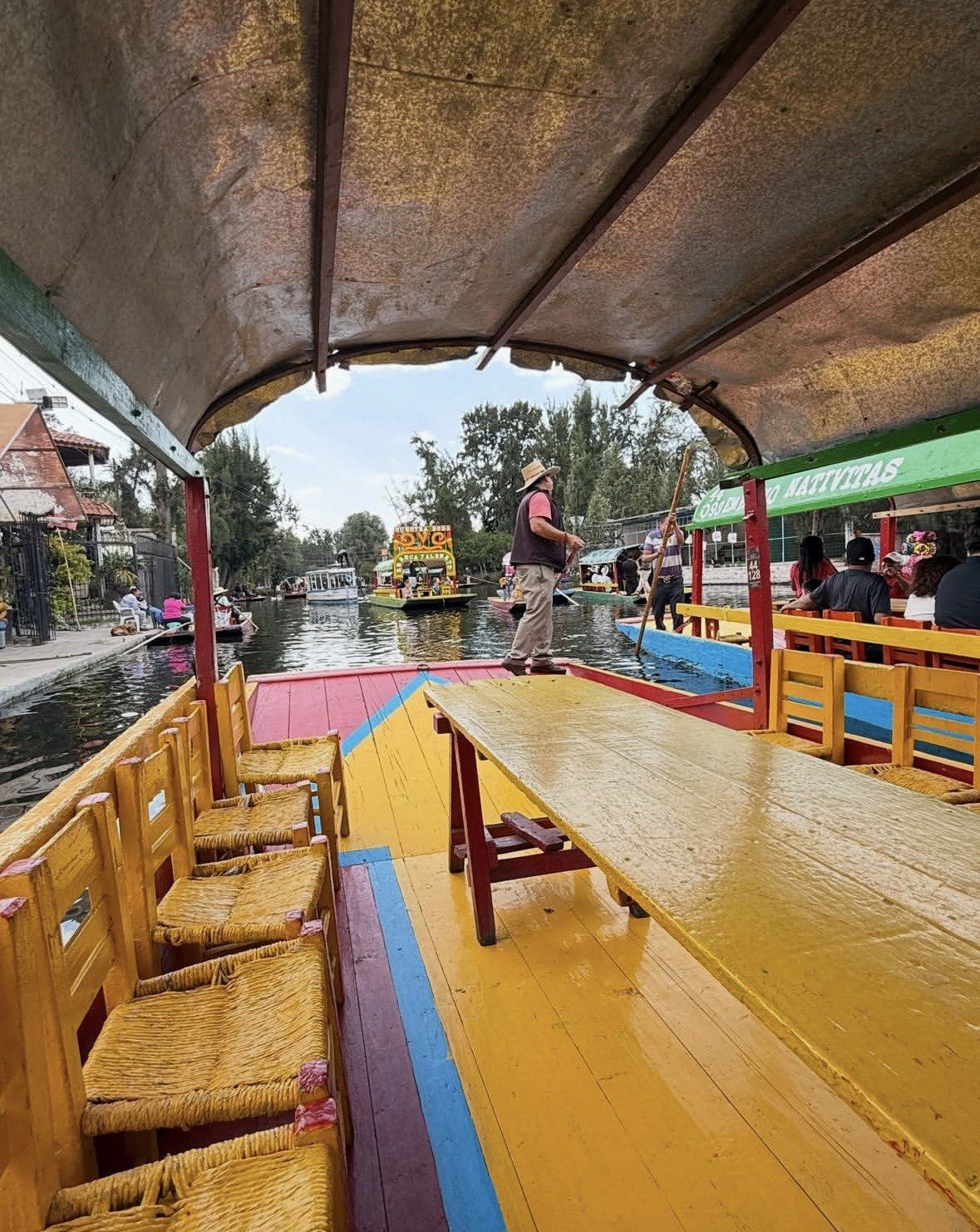
On public transport the route the borough publishes is Metro Line 2 to Taxqueña, then the Tren Ligero to its Terminal Xochimilco stop, a single line of 18 stations over 13 km. An 8 a.m. boat depends on when the trains start: 05:00 Monday to Friday, 06:00 on Saturdays, and not until 07:00 on Sundays and holidays, with the last services at 00:00 whichever day you travel. The fare is MX$3.00 per trip and the turnstiles take only the Movilidad Integrada card, which costs MX$15.00. By car from the west, the borough signs the approach as Periférico Sur, then the Glorieta de Vaqueritos, Prolongación División del Norte and Avenida Guadalupe I. Ramírez.
A workable shape for a wildlife day: water first in the early morning, tanks and market afterwards. Dawn on the canals is the quietest hour and the one the birds use. Sunrise Kayak Tour in Xochimilco puts you in a kayak with a vest, your own paddle and traveller insurance, over 5 hours, from 480 pesos, 4.6 ★ (95 reviews); breakfast of coffee, fruit, bread and a main course can be added, as can round-trip transport in an air-conditioned vehicle. Groups gather in front of the yellow church, where the staff wear blue and pink vests.
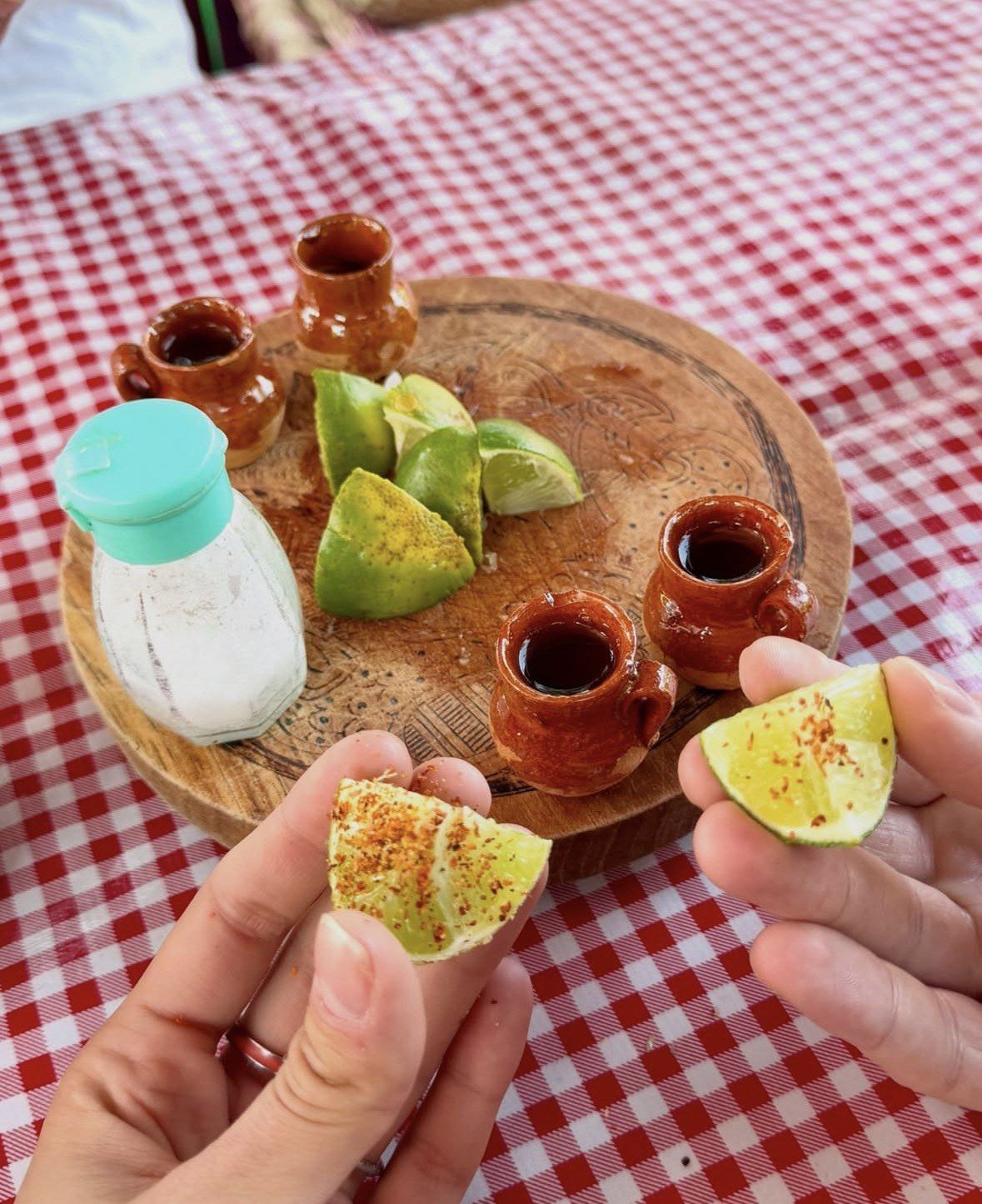
If you would rather have the axolotl stop arranged rather than hunted down, Guacamole a Tasty Adventure Through Xochimilco Markets and Canals takes 3.5 hours, from 1,900 pesos, 5.0 ★ (12 reviews), and includes a traditional chinampa and axolotl sanctuary, a bicitaxi ride from the markets to the pier, coffee or tea with sweet bread or a tamal, and the ingredients for a taco placero with hibiscus flower water on the boat. It starts at Patio ciento 20, a small local restaurant between Vicente Guerrero and Francisco I. Madero streets, at the back.
Afterwards, the borough gives you somewhere to put the rest of the afternoon. The Cuemanco plant and flower market has about 600 traders working from 8:00 to 16:00 and sells cacti, fruit trees, bonsai, tulips, violets and medicinal herbs. The Mercado de Xochimilco, on Av. Nuevo León, keeps the longest day of the three: roughly 450 traders across two buildings, selling from 8:00 right through to 20:00. For an indoor finish, the Museo Dolores Olmedo in La Noria takes visitors Tuesday to Sunday between 10:00 and 18:00 and stops admitting them at 17:30.
Questions people ask
Are there still wild axolotls in the Xochimilco canals?
Yes, but very few, and the species is critically endangered in the wild. The Mexico City government states that conservation work in the protected Xochimilco area centres on the axolotl, which tells you how fragile the situation is. Treat any canal-side claim of a guaranteed wild sighting with suspicion.
What is an ajolotario?
An ajolotario is a tank or pond facility where axolotls are kept, bred and shown. Some sit inside the ecological park, others on chinampas in the protected zone and in university and aquarium facilities around the city. A few canal-side ones are set up as paid stops along the route and are not part of the boat arrangement itself, so ask your guide before you set out.
Can I hold or touch an axolotl?
No, and you should not ask. The animals have permeable skin and external gills that are easily damaged, and the refuges and breeding tanks are set up for viewing through glass or from above the water. Photography without flash is the usual limit.
Which docks run the routes where you can spot birds?
Three of them: Fernando Celada, Cuemanco and Puente de Urrutia. Their routes cross the protected natural zone, and the borough names the migratory and endemic birds of Xochimilco as what you can expect to see from the boat there. Belem gives you a fourth option, its ecological trips running four to five hours and usually taking in the Xaltocán and Caltongo lagoons. Nativitas, Zacapa, Las Flores Nativitas and Caltongo follow the traditional routes instead.
What time should I be on the water for wildlife?
Early. There is no lighting along the canals, so boats generally work from about 8:00 to 17:00 even where the landing stays open later, and the first hours are both the quietest and the best lit. Fernando Celada opens at 8 a.m. and closes at 6 p.m. on weekdays, so count your route length backwards from that.
Read also