In shortPeriférico Oriente #1, Col. Ciénega Grande is the address to aim for: some 165 hectares of canals, chinampas and axolotl habitat, held inside the 2,657-hectare protected wetland. You walk, cycle and watch birds over the lakes, and boat rides inside the park are charged as a flat fee per boat for each hour. The Cuemanco plant market stands across the road.
165 hectaresPark area
2,657 hectaresProtected wetland around it
8:00 to 16:00Plant market opposite, daily
3 docksProtected-zone boat routes
Inside the Parque Ecológico de Xochimilco
The park sits on the Cuemanco side of the borough, at Periférico Oriente #1, Col. Ciénega Grande, and covers some 165 hectares. Inside that boundary are canals, chinampas, the farming plots built up by hand in the water, and habitat for the axolotl, the amphibian emblematic of Mexico City. The lake system it belongs to, Xochimilco and San Gregorio Atlapulco, is a formally protected wetland of 2,657 hectares, and conservation work there concentrates on that one animal.
Search the street address rather than the word Xochimilco. The historic centre and the busiest landings lie in another part of the borough, and the park is reached off the ring road. The city's own venue page for the park does not publish current opening hours or entry arrangements, so confirm them on the day instead of building a dawn arrival around them.
Set foot on a working chinampa and see the axolotl sanctuary
This 3.5-hour morning runs from the markets by bicitaxi to the pier and on to a traditional chinampa with an axolotl sanctuary, the habitat the park's paths only let you look at from a distance.
★ 5.0/5 · 12 reviews
Lakes, paths and the plant market across the road
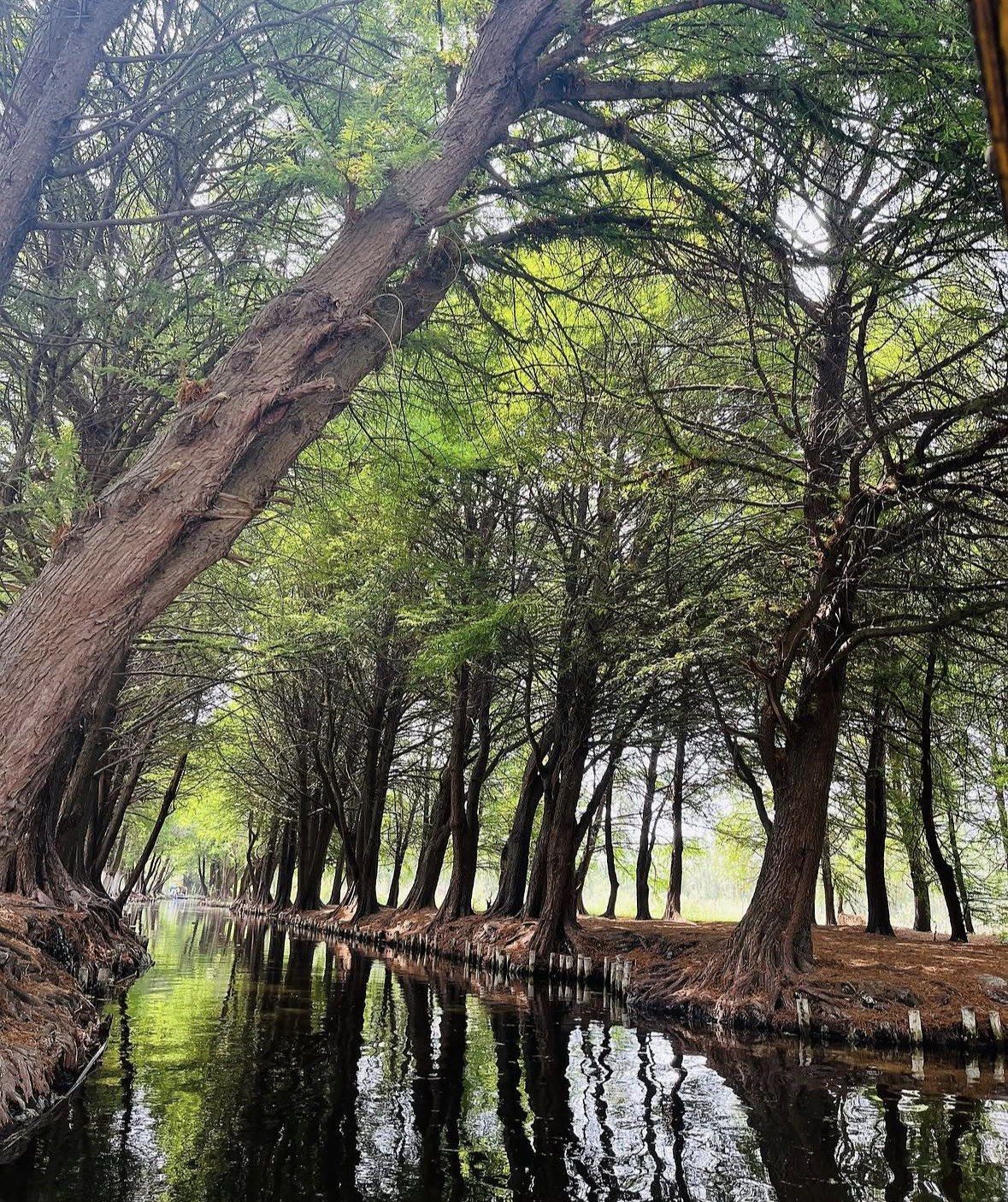
Lakes fed by the same channels that run between the chinampas hold the bird life here, and the borough states that migratory and endemic birds of Xochimilco can be spotted on the ecological routes through the protected canals. The water is stillest and the birds busiest in the first hours after opening, which is the strongest reason to come early.
Walking and cycling are what the layout supports, with made paths between the lakes and open ground where families settle in for a few hours. Trail lengths and a park map are not published by any official source, so pick your loop once you are inside, and keep the walk back in mind if a boat or the market is still on your list.
The Mercado de Plantas y Flores de Cuemanco stands straight across the road, at Canal Nacional 2000, Coapa, Cuemanco, 16036, open daily from 8:00 to 16:00. Cacti, fruit trees, bonsai, tulips, violets and medicinal herbs fill the aisles, worked by about 600 traders. The city's listing puts it 0.60 km from UAM Xochimilco and 0.50 km from the Museo Flor de Chinampas, so the botanical half of the day is a short walk from the park gate.
Boat rides inside the park and the protected canals next door
Boat rides inside the park are charged as a flat fee per boat for each hour afloat rather than per person, the same structure used on the canals outside. Decide how many of you are going before you decide how long you want on the water, since the hour counts against the boat.
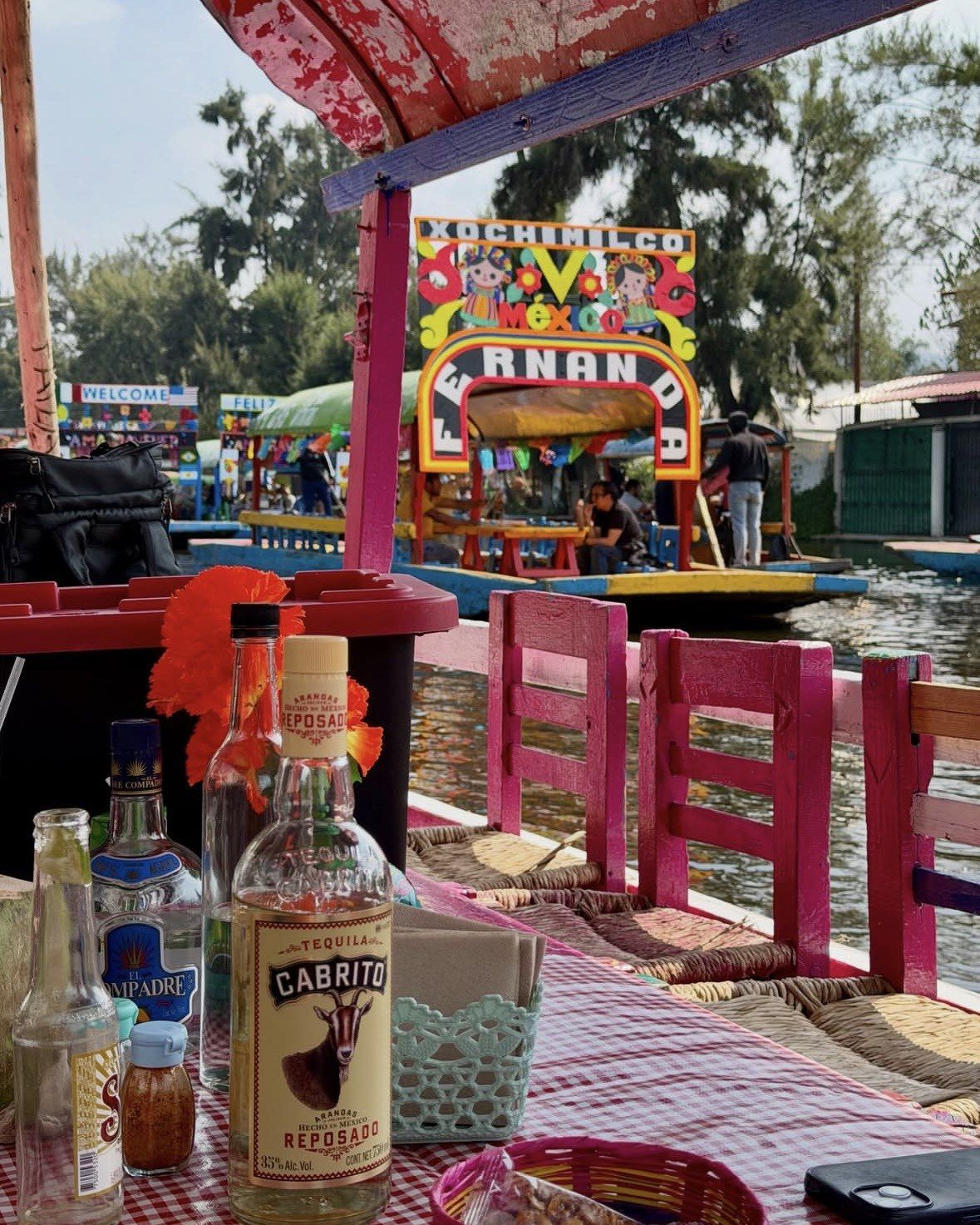
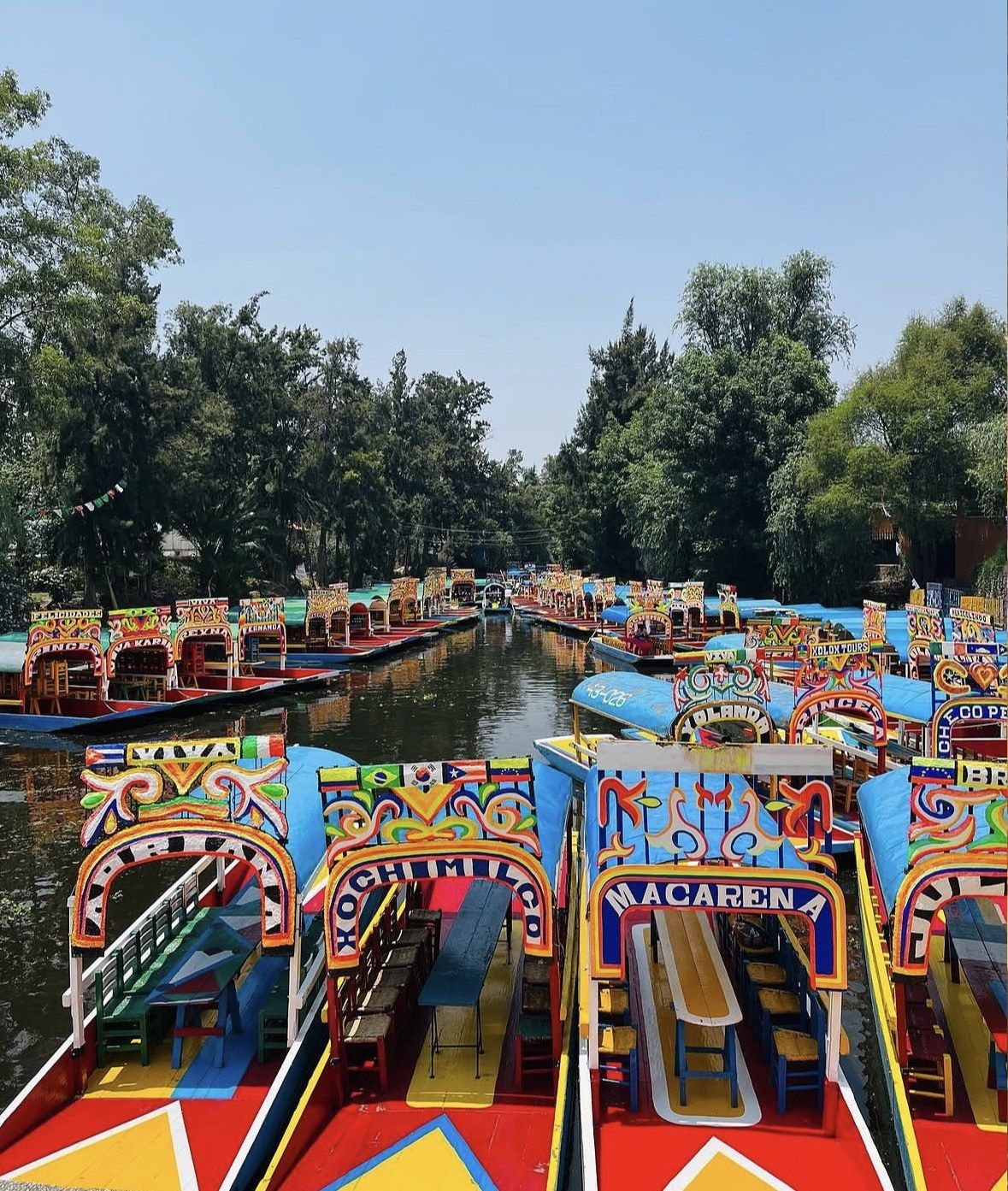
The borough sorts its landings into two kinds. Craft markets, restaurants, parking and the big facilities belong to the traditional group, which is Nativitas, Zacapa and Las Flores Nativitas. The three landings whose routes cross the protected natural zone are Fernando Celada, Cuemanco and Puente de Urrutia, and those are the ones that matter once you are already at the park. Fleet sizes show what that means in practice: about 220 boats are based at Nuevo Nativitas and about 215 at Caltongo, which follows traditional routes rather than ecological ones.
If quiet water is the reason you came, look for a trip that leaves from one of the three protected-zone launches, and spend the land half of the morning in the park.
- Fernando Celada: home base for about 140 boats, working 8 a.m. until 6 p.m. on weekdays and staying open until 10 p.m. on Saturdays and Sundays; around ten minutes on foot from the Xochimilco light rail station, or from Francisco Goitia.
- Cuemanco: listed by the borough among the protected-zone launches, with no official timetable published for it, so check locally.
- Puente de Urrutia: the third protected-zone launch, also with no published hours.
- Belem: about 130 boats on the old Cuemanco canal, where ecological trips usually take four to five hours and cover the Xaltocán and Caltongo lagoons; roughly ten minutes on foot from the Xochimilco light rail terminal, with the much smaller Belem de las Flores and its 17 operators alongside.
Getting to the park by road and light rail
For arrivals from the west the borough publishes a single itinerary, and it ends in the historic centre: Periférico Sur as far as the Glorieta de Vaqueritos, then Prolongación División del Norte, then Avenida Guadalupe I. Ramírez. The park's address is on Periférico Oriente, so you approach from the ring road rather than through the town, which keeps you out of the slow traffic on a Sunday afternoon.
On rails it is Line 2 of the metro as far as Taxqueña, with a change there onto the Tren Ligero for the run down to Terminal Xochimilco. Nothing but the Movilidad Integrada card opens the light rail turnstiles, MX$3.00 a trip and MX$15.00 for the card itself, so sort that out before you get to the gates. Trains run 05:00 to 00:00 Monday to Friday, from 06:00 on Saturdays and from 07:00 on Sundays and holidays, and service status is worth a look on the day. For buses, the getting there page of this site has the detail: Ruta 36 leaves from the Paradero Norte at Taxqueña, and Ruta 26 from Metro Pino Suárez sets you down about two blocks from the historic centre.
No official walking distance from the light rail terminal to the park gate is published. The two ten-minute walks the city does publish go to Belem and to Fernando Celada, so plan the last stretch to the park by road.
Best hours and the seasons that change the visit
Daylight sets the usable window. The channels carry no lighting, which keeps boats working roughly between 8:00 and 17:00 whatever hours a landing keeps, and the standing advice is to be afloat well before mid-afternoon. The plant market closes at 16:00, so take the park and the water first and the stalls afterwards.
Nothing here closes for a season: all ten authorised landings in the borough work 365 days a year. Rain is the real constraint. The alcaldía dated its bulletin on reinforcing measures for the rains 3 June, and from then into October the afternoons are the likeliest to break, so keep your outdoor hours in the morning. The timing page on this site goes through the days of the week and the months in more detail.
Choosing a nature half-day over the festive canals
Birds, chinampas and the axolotl make a different trip from the painted boats and the big fleets, and they pay off with an early start. Two tours on this site fit this page, and both start in the morning on the working part of the wetland, the kayak trip at first light.
The Sunrise Kayak Tour in Xochimilco is a 5-hour outing, from 480 pesos, rated 4.6 ★ (95 reviews). The kit is covered, kayak, vest and an individual paddle, and so is traveller insurance; you decide whether to add breakfast, which is coffee, fruit, bread and a main course, and round-trip transport in an air-conditioned vehicle. The meeting point is in front of the yellow church, where the staff wear blue and pink vests.
The one that gets you onto the soil is Guacamole a Tasty Adventure Through Xochimilco Markets and Canals, 3.5 hours, from 1,900 pesos, 5.0 ★ (12 reviews). It opens with coffee or tea and either sweet bread or a tamal, crosses from the markets to the pier by bicitaxi, hands you the ingredients for a taco placero and hibiscus flower water to use along the boat trip, and takes in a traditional chinampa with an axolotl sanctuary. The group forms at Patio ciento 20, a small local restaurant at the back of the plot between Vicente Guerrero and Francisco I. Madero streets.
Either one can sit alongside a trajinera hour instead of replacing it. Take the quiet water and the park in the morning, then the traditional landings, keeping the mid-afternoon cut-off in mind.
| Tour | Duration | From | Rating | On the water | Food and drink | Best for |
|---|
| Sunrise Kayak Tour in Xochimilco | 5 hours | 480 pesos | 4.6 ★ (95 reviews) | Kayak with individual paddle and vest | Breakfast as a selectable option | Dawn paddling on quiet channels, with transport as an option |
|---|
| Guacamole a Tasty Adventure Through Xochimilco Markets and Canals | 3.5 hours | 1,900 pesos | 5.0 ★ (12 reviews) | Boat trip from the pier after a bicitaxi ride | Coffee or tea with sweet bread or a tamal, taco placero ingredients, hibiscus flower water | Standing on a chinampa and visiting an axolotl sanctuary |
|---|
Questions people ask
Can you see axolotls at the Xochimilco ecological park?
The park protects axolotl habitat, and conservation work across the wider protected area centres on the axolotl, the amphibian emblematic of Mexico City. Visiting arrangements for the axolotl facilities in the Cuemanco area are not published officially, so do not plan the day around a guaranteed sighting. An axolotl sanctuary and a traditional chinampa are both built into the 3.5-hour markets and food tour listed on this site.
Is the ecological park the same thing as Embarcadero Cuemanco?
No. The park is a protected area of some 165 hectares at Periférico Oriente #1, Col. Ciénega Grande, with its own paths, lakes and boat rides charged per boat per hour. Cuemanco is one of three landings, with Fernando Celada and Puente de Urrutia, whose routes run through the protected natural zone of the canals. Plenty of people do both in one morning.
Are there night trips on the protected side of the canals?
Lunadas, the occasional night rides at Fernando Celada, fill the 8 p.m. to 10 p.m. slot and are announced only when they happen. That dock stays open until 10 p.m. on Saturdays and Sundays, but the channels carry no lighting of their own, which is why ordinary boat traffic stops around 17:00. Confirm a night ride locally before you count on it.
Do the ecological routes reach the Isla de las Muñecas?
The borough describes the Isla de las Muñecas, the island of the dolls, as a canal-side chinampa reached by boat and a rewarding trip in itself, though it publishes no route time from each landing. The only published duration is Belem's, where ecological trips tend to take four to five hours and usually take in the Xaltocán and Caltongo lagoons. If the island is the aim, start early and give the day those hours.
Read also