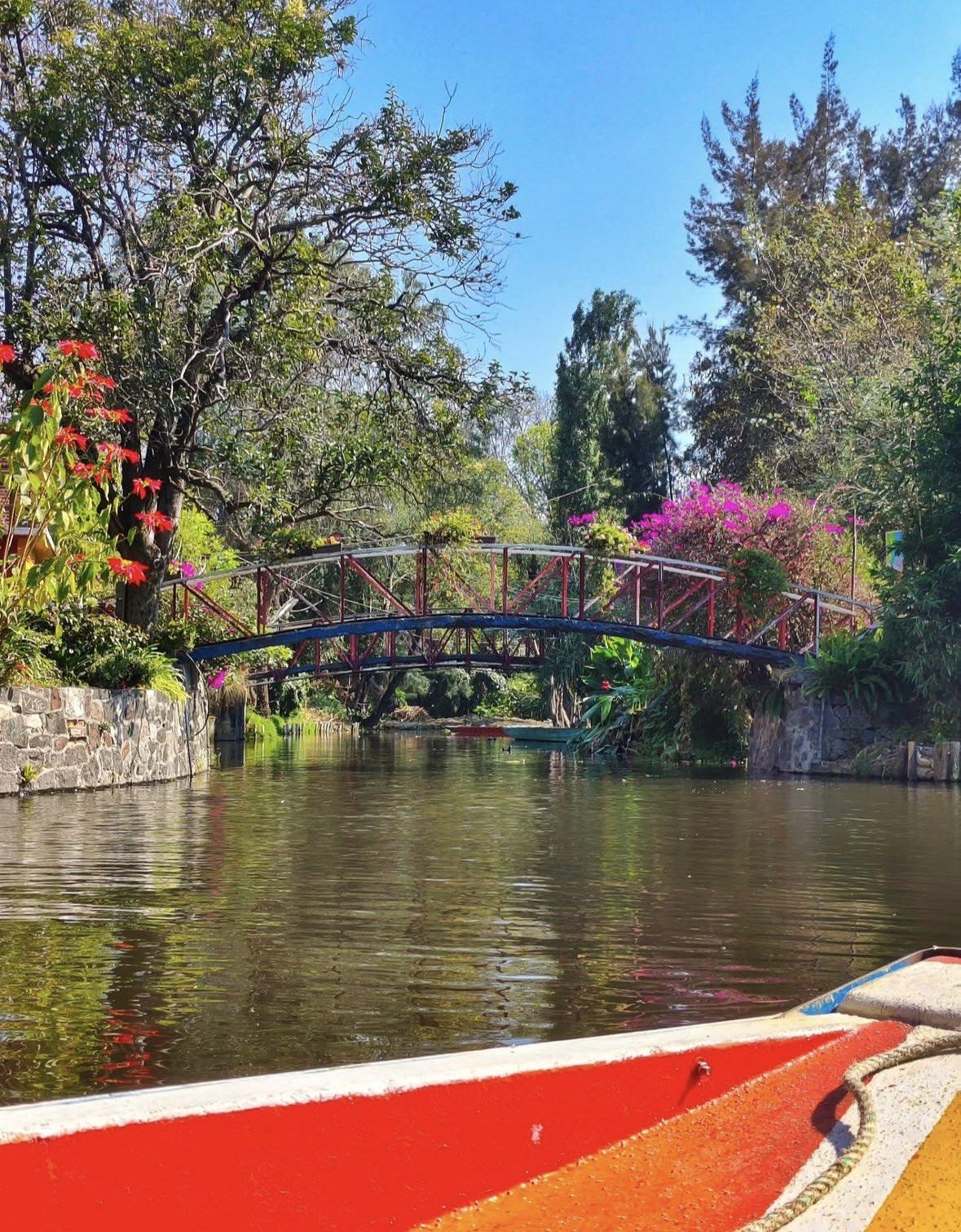
Xochimilco: Canals, Trajineras and Tours South of Mexico City
Roughly 184 km of canals run between the chinampas, about 28 km south of central Mexico City. These pages cover the tours that reach them, how the docks differ, the museums on land and the festival calendar that shifts the trip.
Canals are one part of the borough; markets, the parish church and the Olmedo collection are the other. Both sit well south of the city centre.
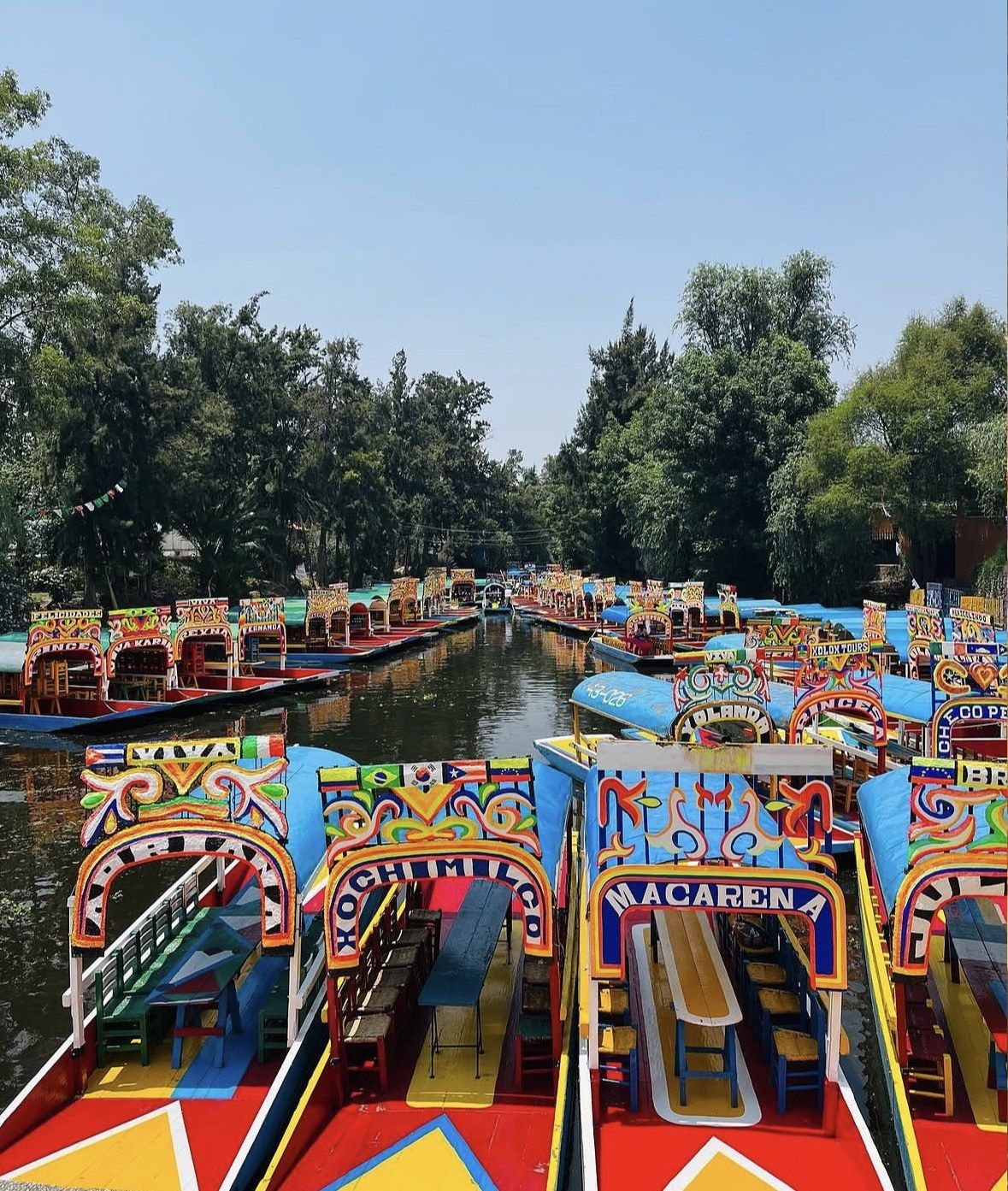
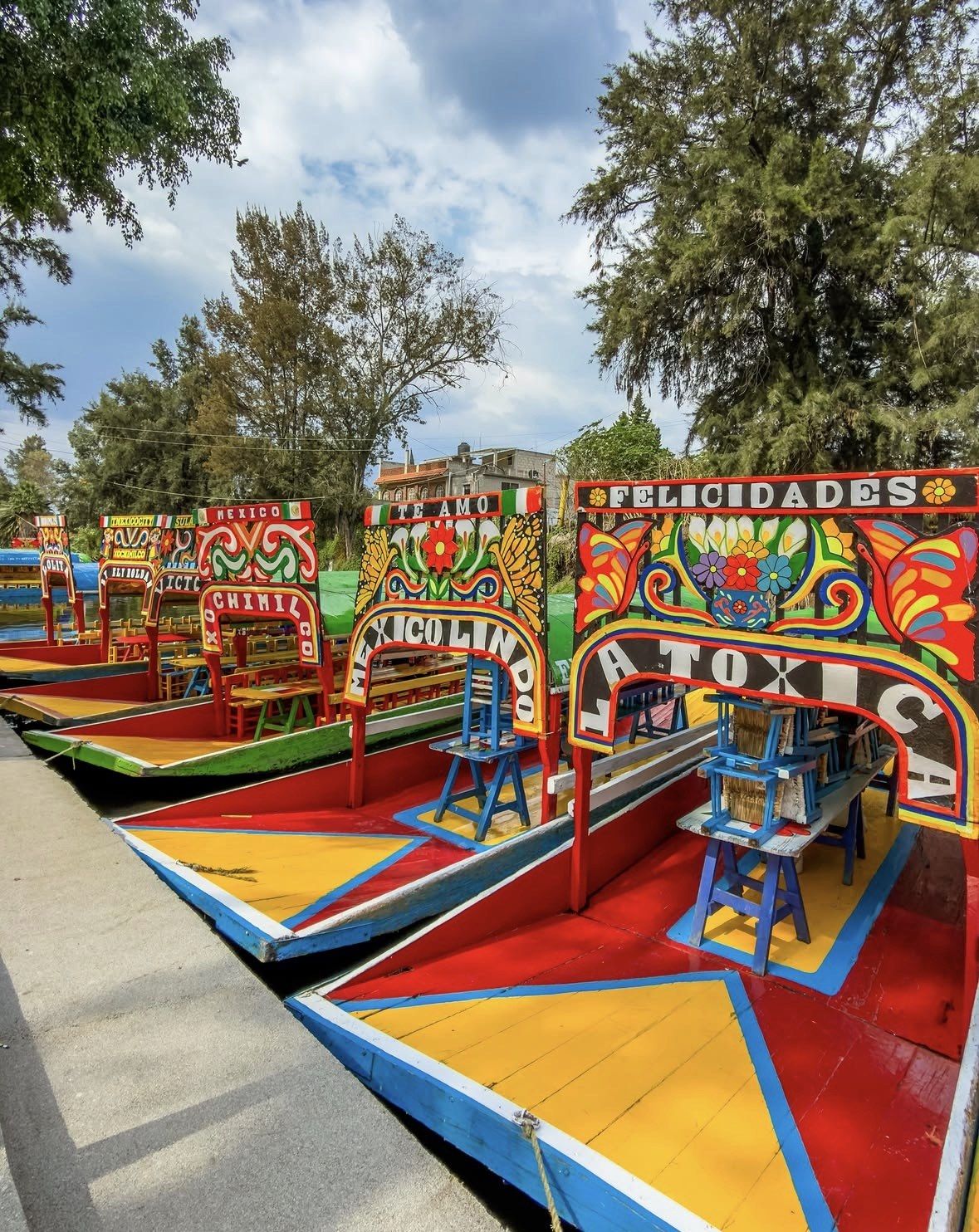
Count on about 28 km between central Mexico City and the canals, which is why most itineraries open with a pickup or a central meeting point rather than a short hop across town. Roughly 184 km of navigable waterways run between the chinampas, the raised plots that still supply produce to the borough's kitchens. Fourteen original villages sit alongside that water inside the UNESCO-protected area, and the historic centre is made up of 17 barrios, each with its own history. The lake system shared with San Gregorio Atlapulco is a protected wetland of 26.57 km2, some 2,657 hectares.
Inscription on the UNESCO World Heritage List came on 11 December 1987, as a cultural site under criterion (v), jointly with Mexico City's historic centre as property ID 412. The chinampa system it protects dates from roughly the 14th to 16th centuries. On land, work on the church and former monastery of San Bernardino de Siena began in 1535: the monastery was finished in 1538, the friars' quarters and main church in 1585, the cloister in 1604, and the monastery school opened in 1609. Part of the main portal collapsed in 1552 and was rebuilt by 1590. The complex was declared a national monument in 1932.
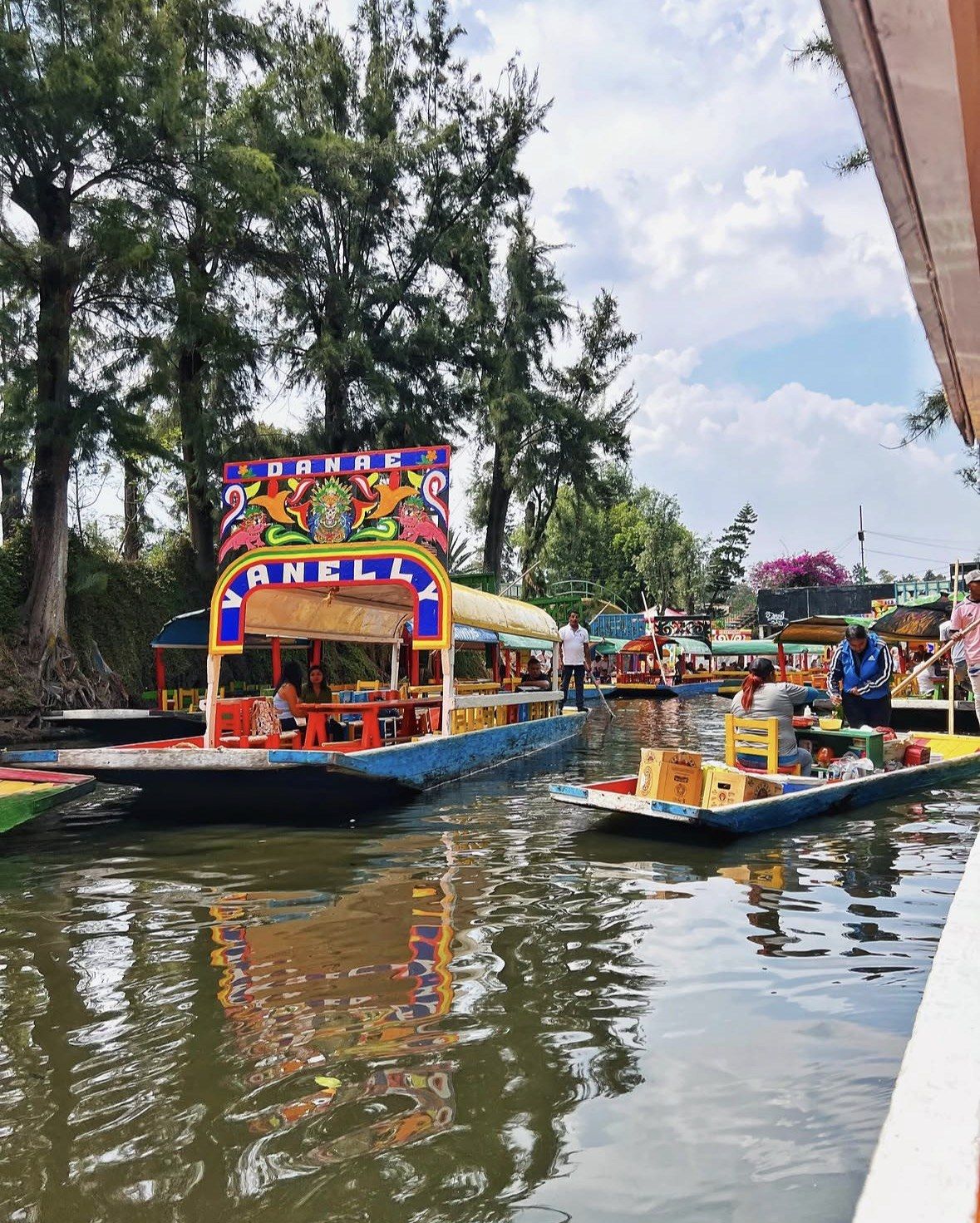
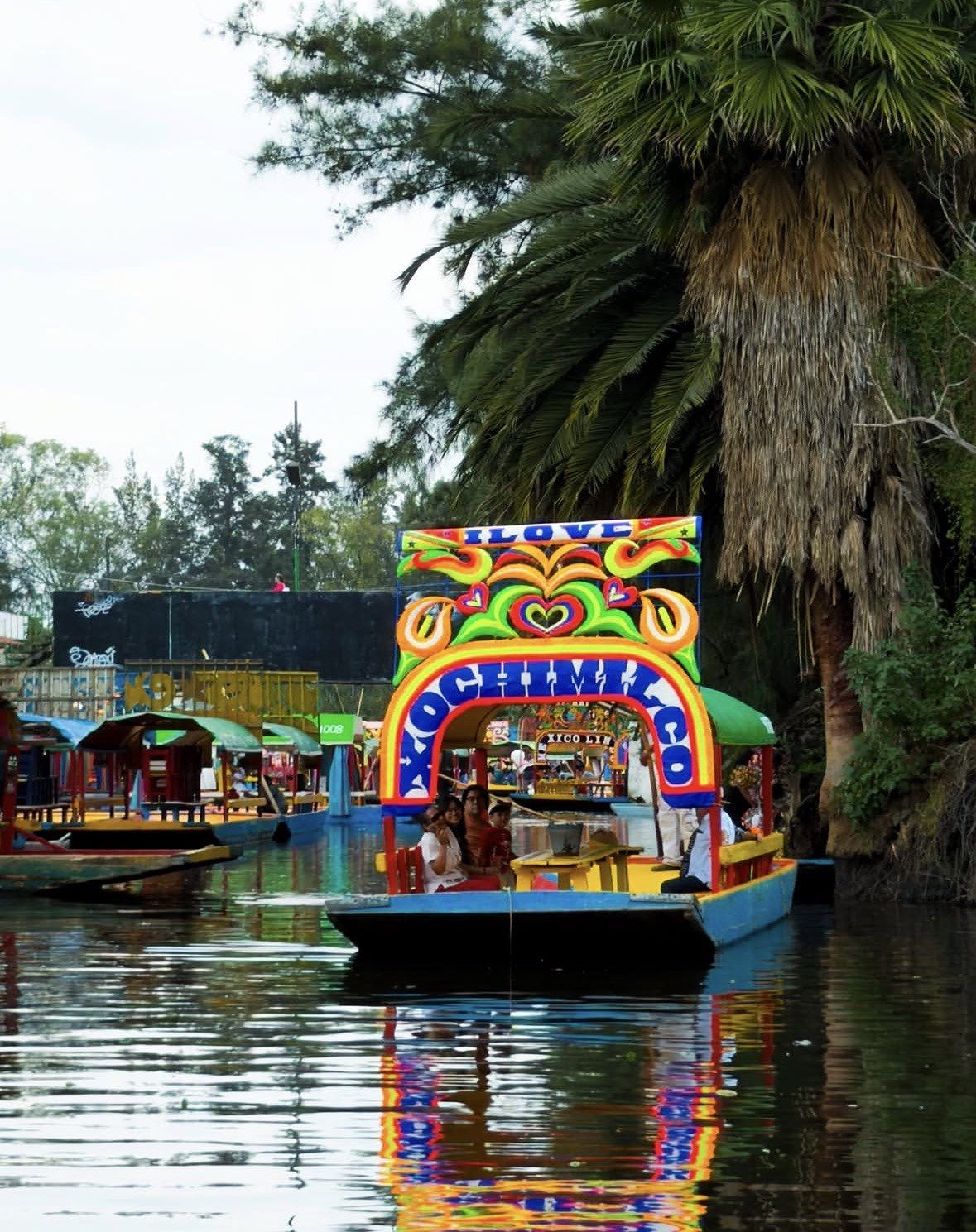
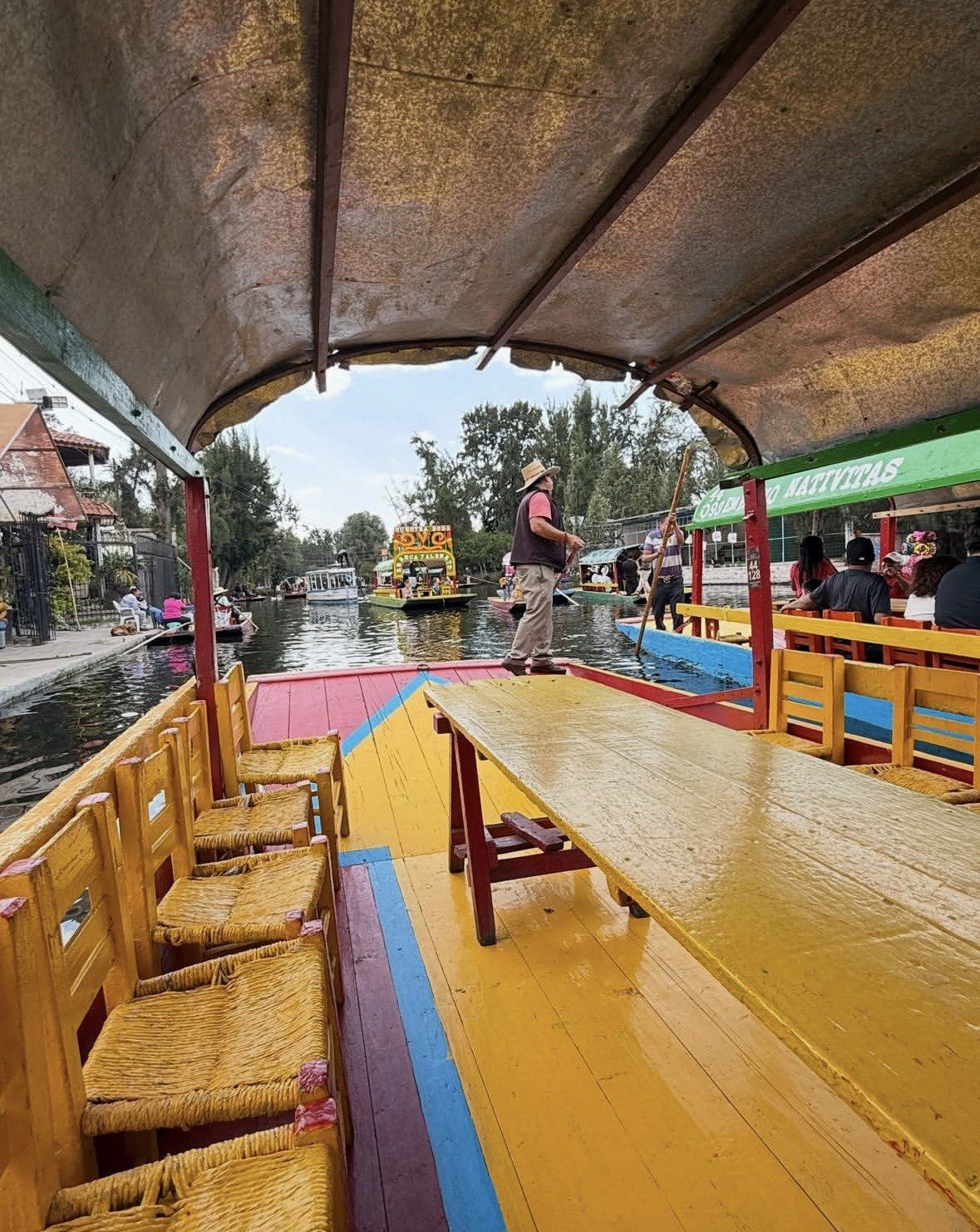
Boats generally run from about 8:00 to 17:00 even though several docks stay open later, because there is no lighting on the canals. Board before 15:00 and you finish in daylight. Most rides last two to three hours, four hours is not unusual, and ecological routes from Belem typically take four to five hours, usually covering the Xaltocan and Caltongo lagoons. A guided trajinera also absorbs the rules that catch people out on the water, from the 18-passenger ceiling that counts children under four to the ban on bringing your own speaker.
•
Distance from central Mexico Cityabout 28 km
•
Navigable canalsroughly 184 km
•
UNESCO inscription11 December 1987
•
Protected lake system26.57 km2 (2,657 hectares)
•
Authorised embarcaderos10, operating 365 days a year
•
Historic centre17 original barrios
•
220 boats
Nuevo Nativitas is the big one
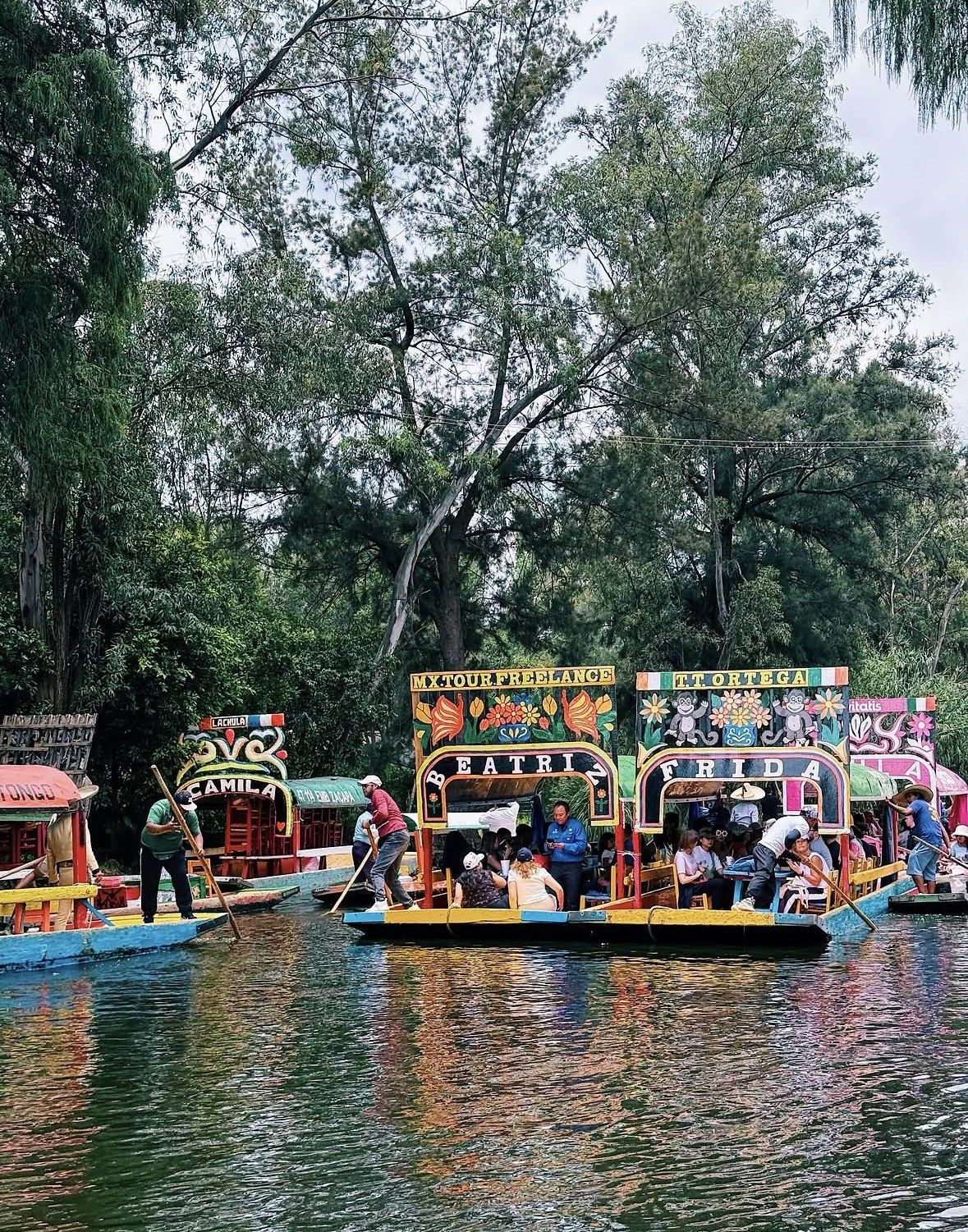
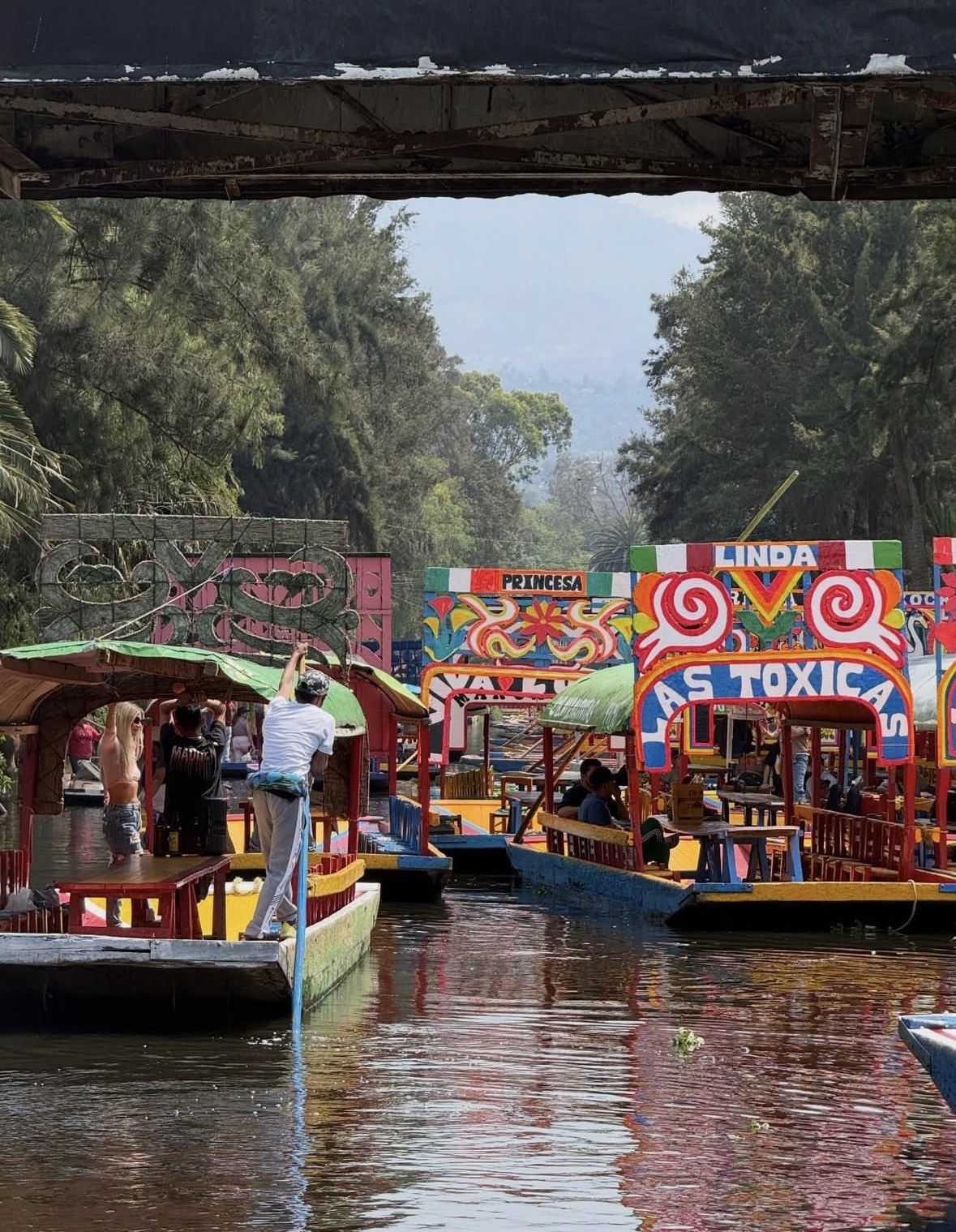
Nuevo Nativitas, the largest and most developed dock, opened in 1970, and about 220 boats work out of it. Hours are 6:00 to 22:00 daily, with parking, a large crafts market and small restaurants on land. Address: Carretera Nativas Tulyehualco-Xochimilco s/n, Santa Maria Nativas, 16450.
•
215 boats
Caltongo follows traditional routes
Caltongo is open 9 a.m. to 10 p.m. all year and runs traditional rather than ecological routes. It is also the meeting point for the private tour to the Isla de las Munecas, on Av. Nuevo Leon.
•
140 boats
Fernando Celada is the ecological launch nearest the train
Routes from here run through the protected natural zone, where migratory and endemic birds can be spotted. It opens Monday to Friday 8 a.m. to 6 p.m. and Saturday and Sunday 8 a.m. to 10 p.m., with occasional night rides called Lunadas from 8 p.m. to 10 p.m., announced only when available. It is about ten minutes on foot from the Xochimilco or Francisco Goitia light rail stations.
•
51 boats
Salitre is the oldest and smallest
Opened in 1921, Salitre has about 51 boats and fewer crowds than the Nativitas cluster. Belem, by comparison, has about 130 boats and sits beside the much smaller Belem de las Flores with only 17 operators.
•
165 hectares
Parque Ecologico de Xochimilco
Some 165 hectares at Periferico Oriente #1, Col. Cienega Grande, protect canals, chinampas and axolotl habitat. Conservation work across the protected area centres on the axolotl, the amphibian emblematic of Mexico City.
•
450 vendors
Main covered market in the centre
Mercado de Xochimilco, at Av. Nuevo Leon s/n, Santa Crucita, 16070, opens daily 8:00 to 20:00 across two buildings with roughly 450 vendors. The city describes it as the regional distribution centre for the borough's farming area and recommends it for comida corrida, the set-price midday meal.
•
A trajinera ride on the canals
Most rides last two to three hours, and four hours is not unusual. Zacapa, on the Nativitas embankment and operating since 1958, offers rides from one hour up to six. If you want nothing attached to the boat, Trajinera ride in Xochimilco runs 2.5-3 hours from 1,299 pesos, 4.7 ★ (28 reviews).
•
The ecological routes and the birds
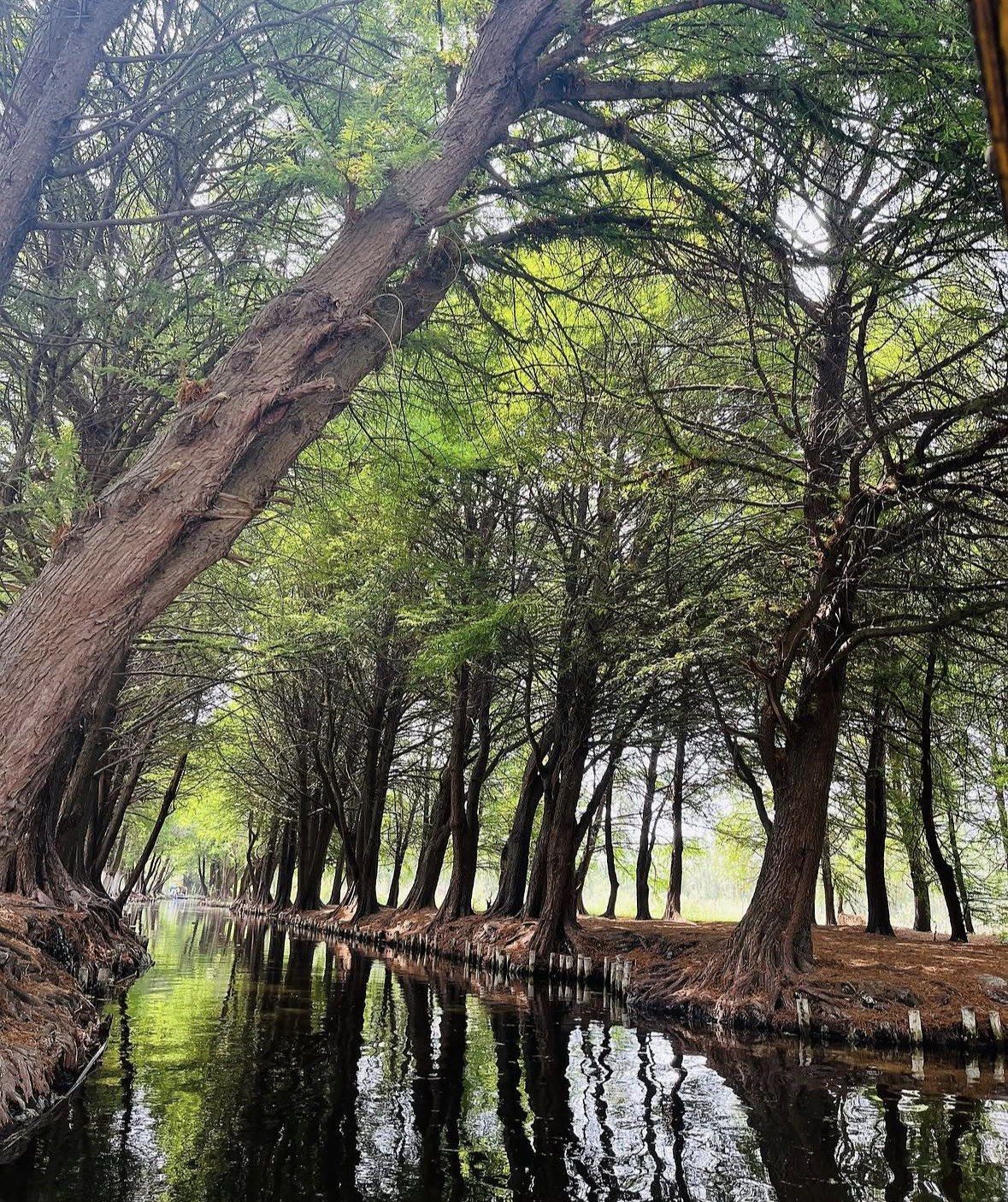
Fernando Celada, Cuemanco and Puente de Urrutia are the launches whose routes run through the protected natural zone. Ecological routes from Belem typically take four to five hours and usually cover the Xaltocan and Caltongo lagoons. Prehispanic Xochimilco: Sailing Chinampas, axolotls, bird watching runs 3 hours 15 minutes from 3,000 pesos, 5.0 ★ (25 reviews), with a local guide, a chinampa visit and a brunch of local products.
•
The Isla de las Munecas
Reached by boat, the Isla de las Munecas (Island of the Dolls) is a canal-side chinampa, and the borough itself says it is worth the trip. The private tour that goes there lasts 3.5-4 hours from 1,699 pesos, 4.9 ★ (11 reviews), with a bilingual English guide, the round trajinera transfer and entrance included. It meets at Embarcadero Caltongo on Av. Nuevo Leon.
•
Museo Dolores Olmedo in La Noria
Museo Dolores Olmedo is open again, Tuesday to Sunday from 10:00 to 18:00 with last admission at 17:30. It sits at Av. Mexico 5843, La Noria, 16030, a separate location from the canal docks, so it works best after a morning on the water.
•
Plant and flower markets
Mercado de Plantas y Flores de Cuemanco opens daily 8:00 to 16:00 with about 600 vendors selling cacti, fruit trees, bonsai, tulips, violets and medicinal herbs, at Canal Nacional 2000, Coapa, 16036, directly across the road from the ecological park. The Madreselva market sits inside the Bosque de Nativitas, 0.28 km from Embarcadero Nuevo Nativitas and 0.18 km from Embarcadero Las Flores Nativitas.
•
San Bernardino de Siena and Jardin Juarez
San Bernardino de Siena, on Av. Guadalupe I. Ramirez, holds a rare 16th-century Plateresque retablo, which the city says has only one comparable survivor, at Huejotzingo in Puebla. The complex was seriously damaged by the September 2017 earthquake and restoration concluded in 2020. Beside it, the Jardin Juarez occupies the former atrium, 0.07 km from the Plaza Central and 0.12 km from the Clock Tower, and the city describes it as a usual meeting point for trips to the landings.
Xochimilco compared with the other stops on these itineraries
How the canals differ from the places most day plans pair them with.
Most visitors are not choosing the canals in isolation. They are deciding whether to spend a whole day on the water, split it with Coyoacan, push out to the pyramids, or stay inside the borough for the ecological park and the markets. A Xochimilco tour can be built around any of those, and the tours on this site run from one hour to a full ten. The table sets the four options side by side so you can see what each gives you.
Crowds
Price
Best For
What Sets It Apart
★ Xochimilco
Heaviest around the Nativitas cluster, where about 220 boats work from Nuevo Nativitas alone; lightest at Salitre with about 51
Tours on this site from $40 for 9 hours, or from 1,299 pesos for 2.5-3 hours on the water only
Time on the water: trajinera rides of two to three hours, ecological routes of four to five, kayak and cayuco canoe at sunrise
Roughly 184 km of canals lined with chinampas, UNESCO-listed on 11 December 1987 and still farmed
Coyoacan and the Frida Kahlo Museum
Entry runs on 15-minute arrival slots from 11:00 to 17:00, with busy dates flagged as low availability
Museum entrance is a selectable option on several of the itineraries here
A half day of art and streets: Londres 247, Col. Del Carmen, plus the Mercado de Coyoacan and the Casa de Leon Trotsky
No tickets are sold at the door, which is the main reason tours include the entrance
Teotihuacan
Covered only as a private day, so you keep the vehicle and guide to yourselves
Full-Day Private Tour of Mexico City: Teotihuacan and Xochimilco, from 3,500 pesos
Travellers with one day who want the pyramids and the canals in it
10 hours with an air-conditioned vehicle plus private transport and guide throughout, 4.9 ★ (46 reviews)
Parque Ecologico de Xochimilco
Quieter than the canal docks, and across the road from a market with about 600 vendors
Not part of the tours listed on this site
Walkers and birdwatchers who want the chinampa landscape on foot
Some 165 hectares at Periferico Oriente #1 protecting canals, chinampas and axolotl habitat
Only the canals are themselves a living farming system, 26.57 km2 of protected wetland worked from hand-built plots since roughly the 14th century. Coyoacan is a museum appointment, the pyramids are a long drive, the ecological park is a walk. A Xochimilco tour puts you on water that people still grow food beside, with migratory and endemic birds on the protected routes and ten docks working every day of the year.
Practical info
Everything to know about Xochimilco
Transport, timing, kit, etiquette and safety for a day in the south of Mexico City.
How to get to the canals from central Mexico City
The docks are about 75 to 90 minutes from Roma Norte by metro and light rail, or 45 to 70 minutes by car or ride-hail, longer on Sunday afternoons. The published public route is Metro Taxquena on Line 2, then a transfer to the Tren Ligero to Terminal Xochimilco. Driving from the west, the borough's own route runs Periferico Sur to the Glorieta de Vaqueritos, then Prolongacion Division del Norte to Avenida Guadalupe I. Ramirez into the historic centre.
Tren Ligero runs a single line of 18 stations over 13 km, about 30 minutes end to end with trains every four minutes, and it also links Coyoacan with the borough. From the terminus, Belem is about a ten-minute walk, and Fernando Celada about ten minutes from the Xochimilco or Francisco Goitia stations. Searching the specific embarcadero name in a map app is what gets you to the water; the plain borough name lands you in the town centre.
Metro Line 2 to Taxquena, then Tren Ligero to Terminal Xochimilco
Light rail hours: Monday to Friday 05:00-00:00, Saturdays 06:00-00:00, Sundays and holidays 07:00-00:00
Light rail fare MX$3.00 per trip, payable only with the Tarjeta de Movilidad Integrada, which costs MX$15.00; service has had modernisation closures, so check status on the day
Bus Ruta 36 from the Paradero Norte at Metro Taxquena, signed Xochimilco-Centro-Galeana or Muyuguarda-Xochimilco Centro
Bus Ruta 26 from Metro Pino Suarez, signed Izazaga-Xochimilco, stopping about two blocks from the historic centre
Driving: Periferico Sur to the Glorieta de Vaqueritos, then Prolongacion Division del Norte to Avenida Guadalupe I. Ramirez; the Nativitas docks are the ones with parking on site
Several tours remove the transfer entirely: hotel pick-up and drop-off on the 6-7 hour small-group day, central meeting points behind the Palace of Fine Arts at 08:20 a.m. or Miga Cafe, Liverpool 174, at 07:50 a.m. on the 9-hour day
Best time of year and best hour of the day
All ten authorised embarcaderos operate 365 days a year, so the season is never the obstacle; the day of the week and the hour decide what the canal feels like. February brings the Feria de la Alegria y el Olivo, held in Plaza Quirino Mendoza, Santiago Tulyehualco, every year since 1971. The Feria de la Flor Mas Bella del Ejido ran 7 to 13 April according to the borough's bulletins. Weekday mornings are the calmest water.
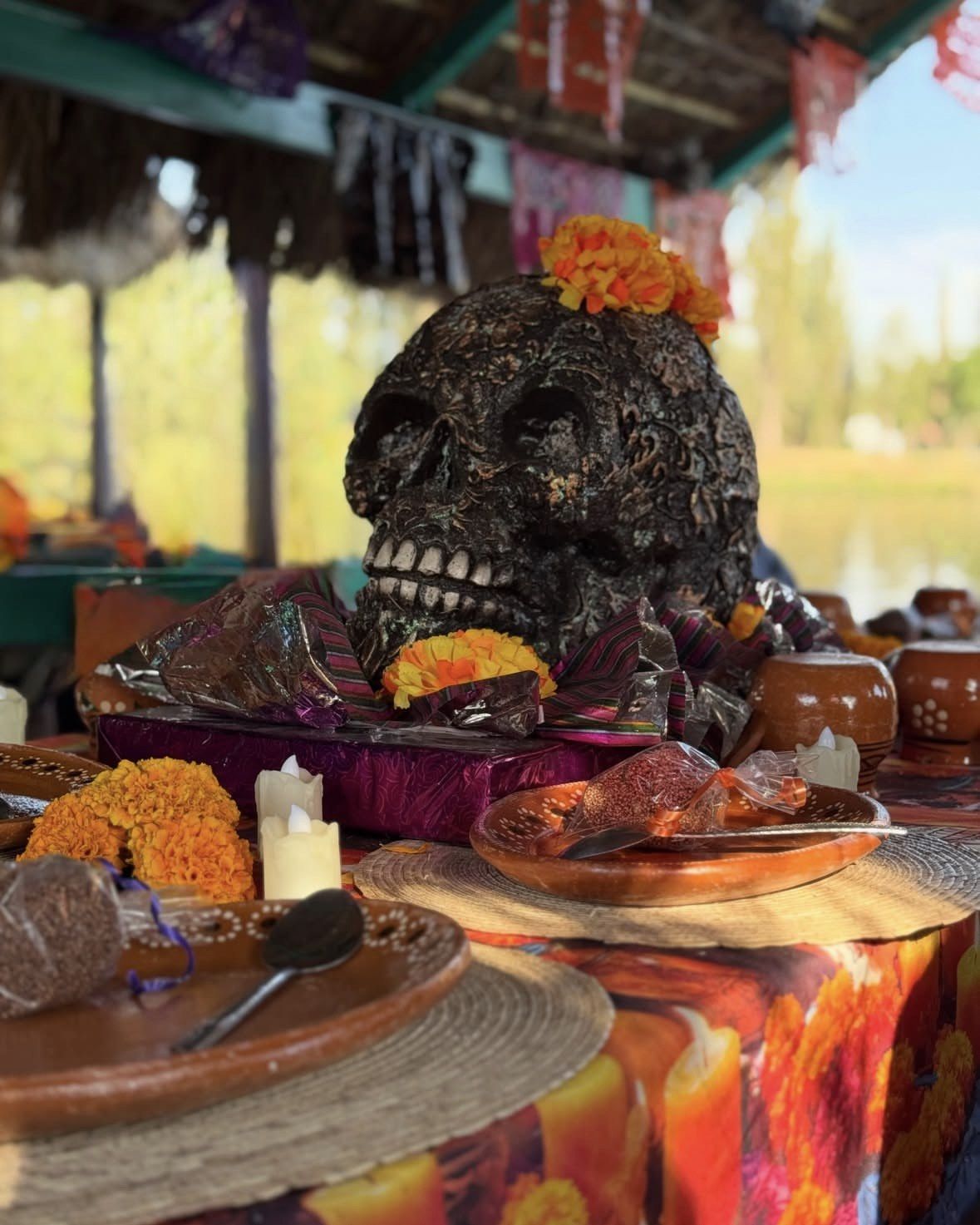
Rain is the real constraint. The borough issued a bulletin on reinforcing measures for the rains dated 3 June, which is a fair marker for planning morning departures through the summer rather than afternoon ones. Autumn is the busiest cultural stretch: the Day of the Dead programme in 2026 included seven staged productions set on the chinampas, canals and open spaces, and the La Llorona night show at Embarcadero Cuemanco runs 2 October to 22 November 2026.
Docks operate every day of the year; boats generally run about 8:00 to 17:00 because the canals have no lighting
Board before 15:00 to finish in daylight
February: Feria de la Alegria y el Olivo, Plaza Quirino Mendoza, Santiago Tulyehualco, held annually since 1971
Spring: Feria de la Flor Mas Bella del Ejido, 7-13 April per the borough's bulletins
From early June plan morning rides; the alcaldia's rains bulletin is dated 3 June
Migratory and endemic birds show up on the ecological routes from Fernando Celada, Cuemanco and Puente de Urrutia
Day of the Dead 2026: pulqueria and offerings strand 29 October to 2 November in the historic centre, Festival Biocultural Noche de Muertos on 31 October 2026 at Centro de Cultura Ambiental Acuexcomatl, Av. Ano de Juarez 1900, 15:00-22:00, cemeteries open 8:00-18:00
La Llorona at Embarcadero Cuemanco, Periferico Sur Adolfo Ruiz Cortines 16034: 2 October to 22 November 2026, Fridays to Sundays at 18:00 and 21:00, about three hours including the trajinera ride; dates shift year to year, so check before planning around it
What to pack for a day on the canals
Trajineras are covered but open at the sides, and you are on the water for two to three hours on a standard ride, four to five on an ecological route from Belem. Bring sun cover, water and something to keep a phone dry. Binoculars earn their space on the protected routes from Fernando Celada, Cuemanco and Puente de Urrutia, where migratory and endemic birds appear. Carry a bag for your own rubbish: it stays on the boat until the operator indicates disposal.
Early and late departures are the cold ones. The Sunrise Kayak Tour in Xochimilco provides kayak, vest and individual paddle, but warm layers are on you; the same goes for the cayuco canoe sunrise trip and for the Lunadas, the occasional 8 p.m. to 10 p.m. night rides at Fernando Celada. Wear shoes you can board and sit in comfortably, since passengers stay seated with hands and feet inside the boat throughout.
Hat, sunglasses and sun cream for an open-sided boat
A warm layer for sunrise departures and for weekend evening rides
Water, and snacks if your tour does not include food and drink
Binoculars for the ecological routes through the protected natural zone
A small bag for rubbish, which stays aboard until the operator says otherwise
Shoes you can step into a boat in; no jumping between boats is permitted
Photo ID if you qualify for a reduced museum rate, and your timed-entry confirmation on your phone for the Frida Kahlo Museum
Leave the Bluetooth speaker at home: only operator public-address systems and speakers are allowed
Local tips worth knowing before you board
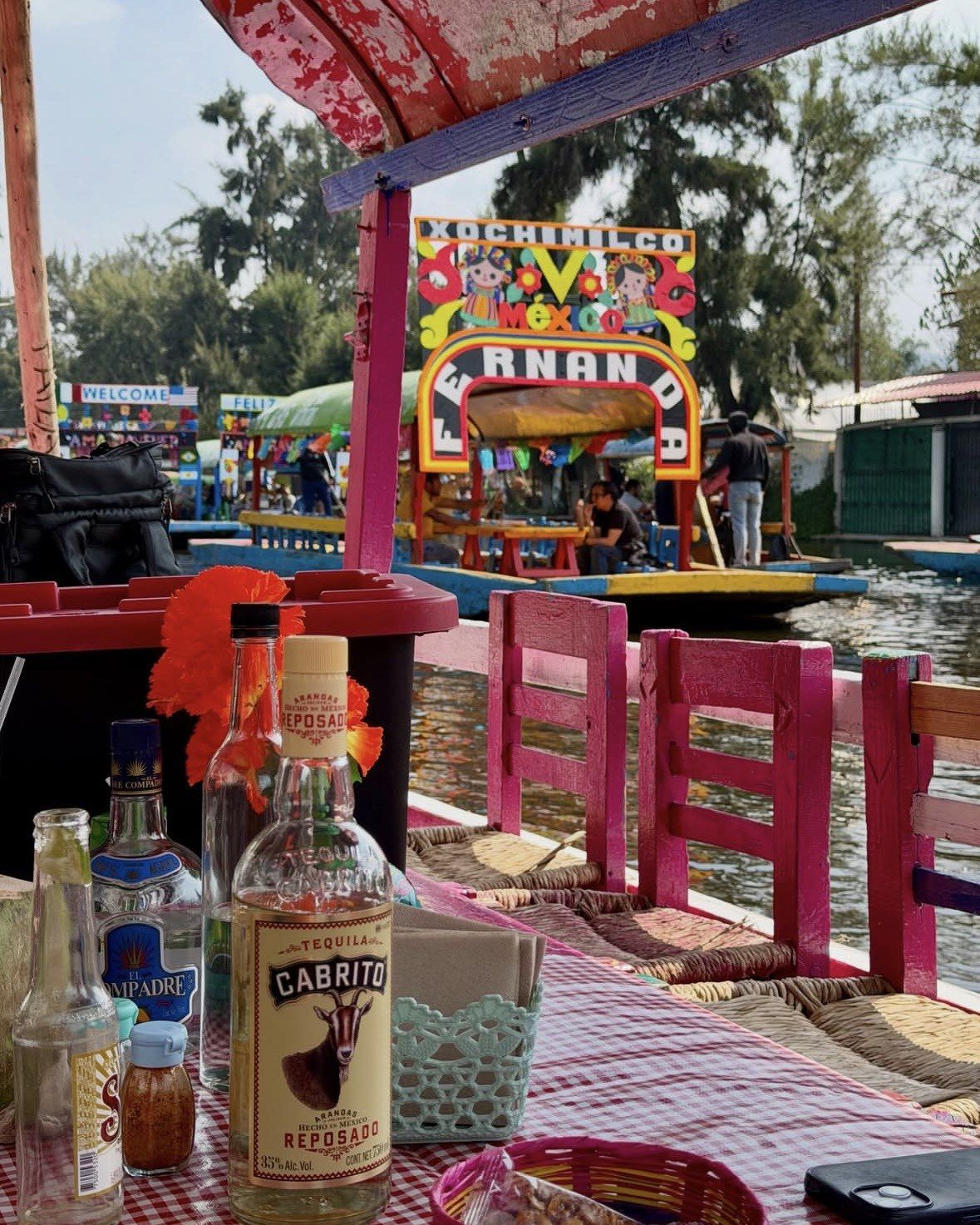
Canal rules are enforced, and they shape the day. The limit is 18 passengers per trajinera, counting children under four, and passengers may not move to another boat during the ride. Anyone declining a life jacket signs a release with the operator or authorised staff. Alcohol aboard is limited to one bottle of spirits per boat or three beers per adult. Toilets may be used only at authorised stops, and visibly intoxicated passengers are reported to the tourism desk.
On land, the Mercado de Xochimilco is where to eat: two buildings, roughly 450 vendors, open daily 8:00 to 20:00, and the city specifically recommends it for comida corrida. The Jardin Juarez, also called Jardin Morelos, is the usual meeting point and starting place for trips to the landings. The borough's tourism office is at Guadalupe I. Ramirez No. 4, Barrio El Rosario, C.P. 16070, telephone (55) 8957-3600, for questions or complaints.
18 passengers maximum per trajinera, strictly applied, children under four included
Stay seated with hands and feet inside the boat; no jumping or walking onto other boats
Alcohol limit: one bottle of spirits per boat or three beers per adult
Only the operator's own sound system is permitted on board
Toilets at authorised stops only; rubbish stays aboard until the operator indicates disposal
Search the exact embarcadero name in a map app rather than the borough name
Borough tourism office: Guadalupe I. Ramirez No. 4, Barrio El Rosario, C.P. 16070, telephone (55) 8957-3600
Health and safety on the water and in the borough
Nothing about a canal day is strenuous, but it is long, sunny and largely shadeless in the middle hours, so hydration and sun cover matter more than anything else. Food is easy to find: the market opens daily 8:00 to 20:00 and several tours include a meal or a brunch of local produce. If you have a medical condition that is affected by heat or by several hours seated, choose a 2.5-3 hour ride rather than a four to five hour ecological route.
On the water, the enforced rules are also the safety system: life jackets unless you sign a release, seated passengers with hands and feet inboard, no boat-hopping, and alcohol capped per boat. There is no lighting on the canals, so board before 15:00 unless you are on a scheduled evening departure. The last realistic way out by public transport is the light rail, which runs until midnight daily. For anything official, call the borough tourism office on (55) 8957-3600.
Wear the life jacket; declining one means signing a release letter with the operator or authorised staff
Stay seated, hands and feet inside the boat, and do not step across to another trajinera
No lighting on the canals: board before 15:00 unless your departure is a scheduled evening one
Alcohol is capped at one bottle of spirits per boat or three beers per adult, and intoxicated passengers are reported to the tourism desk
Sun cover and water for two to five hours on open water
Last way out by public transport is the Tren Ligero: Monday to Friday 05:00-00:00, Saturdays 06:00-00:00, Sundays and holidays 07:00-00:00
Official contact for rates or complaints: Alcaldia Xochimilco tourism office, (55) 8957-3600
Location
Find Xochimilco
Embarcadero Nuevo Nativitas, Carretera Nativas Tulyehualco-Xochimilco s/n, Santa Maria Nativas, 16450 Mexico City, telephone 55 1013 3063.
Plan your visit
Practical information for visiting Xochimilco
Docks and opening hours, transport from central Mexico City, weather, festivals and the sights around the canals.
Practical answers on reaching the canals, how long rides last, what the tours include and which rules apply once you are on the water.
Xochimilco lies about 28 km south of central Mexico City, so this is a half-day trip rather than a quick hop. By public transport the route is Metro Taxqueña on Line 2, then the Tren Ligero to Terminal Xochimilco, a single 18-station, 13 km line running Monday to Friday 05:00-00:00, Saturdays 06:00-00:00 and Sundays and holidays 07:00-00:00. From Roma Norte the docks take about 75-90 minutes by metro and light rail, or 45-70 minutes by car or ride-hail, and longer on Sunday afternoons. Most guided trips remove that leg entirely with hotel pick-up or a central meeting point, which is the main reason people book one.
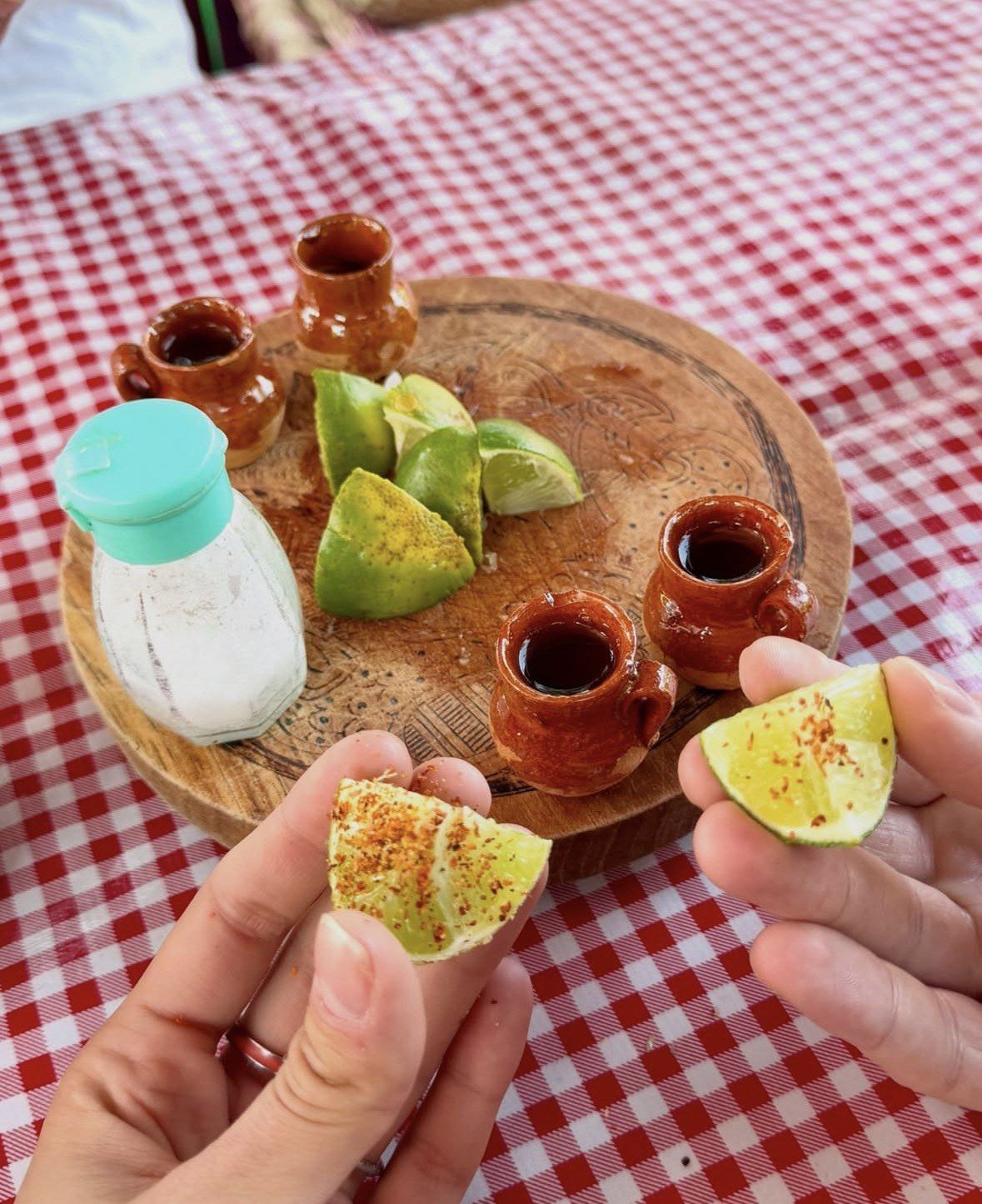
Most rides on the canals last two to three hours, and four hours is not unusual. Ecological routes from the Belem dock typically take four to five hours and usually cover the Xaltocán and Caltongo lagoons. If you only want time on the water, Trajinera ride in Xochimilco runs 2.5-3 hours, from 1,299 pesos, 4.7 ★ (28 reviews), with a bilingual English-Spanish guide and beer and tequila or beer and pulque included. Day trips that pair the canals with Coyoacán are longer by design: 4-6 hours, 6 hours, or 9 hours for the full version.
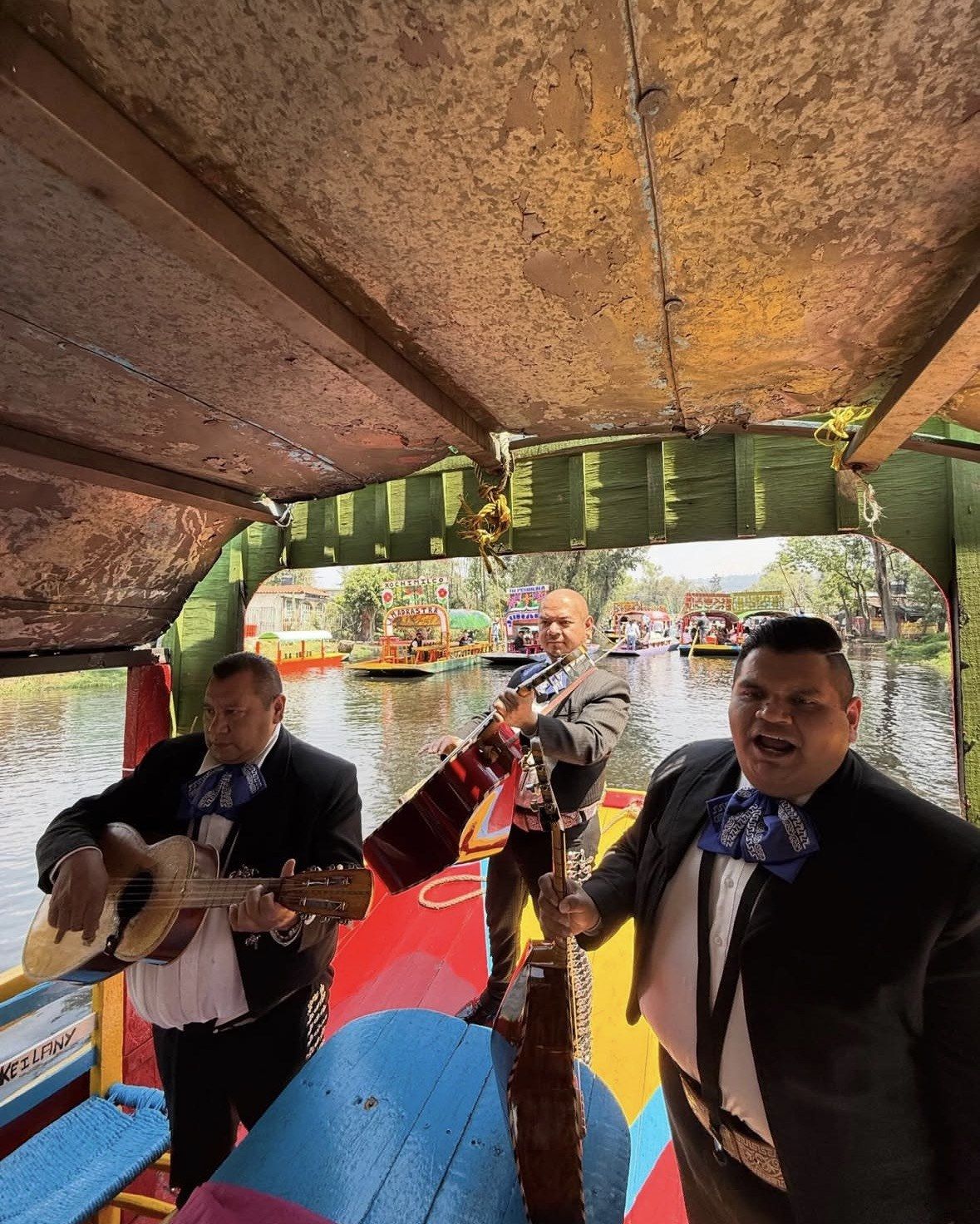
For a first visit, PREMIUM Frida Kahlo Museum and Xochimilco (Small Groups) is the straightforward choice: 6-7 hours, from $56, 4.9 ★ (1352 reviews), with private transportation including hotel pick-up and drop-off, a walk through Coyoacán, a trajinera ride, a music speaker on the trajinera, a Mexican churro, a certified tour guide, a mariachi song and Frida Kahlo Museum entrance when that option is selected; gratuities are not included. It meets at the Angel of Independence, at the entrance of the Sheraton Hotel, with staff in distinctive black or white shirts. If you want the longest classic day at the lowest entry price, Xochimilco, Coyoacán and Frida Kahlo with Optional Lunch runs 9 hours, from $40, 4.6 ★ (8447 reviews), leaving from behind the Palace of Fine Arts at 08:20 a.m. or Miga Cafe, Liverpool 174, at 07:50 a.m.
Isla de las Muñecas is a canal-side chinampa reached by boat, and the borough itself says it is worth the trip. Reaching it needs a proper block of time, so treat it as the day's main event rather than something tacked onto a short ride. Private tour to the spooky Island of the Dolls in Xochimilco runs 3.5-4 hours, from 1,699 pesos, 4.9 ★ (11 reviews), with a bilingual English guide, round trajinera transfer, entrance to the island, Mexican snacks, a music speaker and tequila and beer or beer and pulque; transport is not included, at 500 pesos per extra person round trip. It meets at Embarcadero Caltongo, Av. Nuevo León.
Morning is the better half of the day. There is no lighting on the canals, so boats generally run from about 8:00 to 17:00 even though several docks stay open later, and boarding before 15:00 is the sensible order. Dawn is quieter still and the birdlife most active, which is why early departures exist: Sunrise Kayak Tour in Xochimilco, 5 hours, from 480 pesos, 4.6 ★ (95 reviews), with kayak, vest, individual paddle and traveller insurance, and breakfast plus round-trip transport as selectable options. Without paddling, Mexico City: Xochimilco at sunrise + Breakfast and transportation runs 5 hours, from 2,900 pesos, 5.0 ★ (125 reviews), with breakfast, an air-conditioned vehicle and a cayuco (canoe).
No tickets are sold at the door of the Frida Kahlo Museum, Londres 247, Col. Del Carmen, Coyoacán, 04100. Admission is bought in advance online and is timed-entry: you pick a calendar date and then a 15-minute arrival slot, with slots running 11:00 to 17:00 and busy dates flagged as low availability. The museum is closed on Mondays and opens Tuesday 10:00-18:00, Wednesday 11:00-18:00, Thursday 10:00-21:00 and Friday to Sunday 10:00-18:00, with Noche de Museos on the last Wednesday of each month from 17:15 to 21:00 with restrictions. That timed-slot system is why several combined itineraries carry the entrance as an included or selectable item, and why the house and the canals are usually sold as one day.
Operators apply the 18-passenger limit per boat strictly, and it includes children under four. Passengers may not move to another boat during the ride, must stay seated with hands and feet inside, and jumping or walking onto other boats is forbidden; anyone declining a life jacket signs a release with the operator or authorised staff. Alcohol is limited to one bottle of spirits per boat or three beers per adult, your own loud music equipment is prohibited and only operator public-address systems and speakers are allowed, toilets may be used only at authorised stops, and rubbish stays on the boat until the operator indicates disposal. Visibly intoxicated passengers are reported to the tourism desk, so a guided trip that handles the paperwork and the limits for you removes most of the friction.
No, and the dock changes the trip. Nativitas, Zacapa and Las Flores Nativitas are the most traditional, with large facilities, parking, craft markets and restaurants; Embarcadero Nuevo Nativitas opened in 1970, is open daily 6:00-22:00 and has about 220 boats, while Caltongo opens 9 a.m. to 10 p.m. all year with about 215 boats on traditional routes. Fernando Celada, Cuemanco and Puente de Urrutia are the launches whose routes run through the protected natural zone, where migratory and endemic birds can be spotted; Fernando Celada runs Monday to Friday 8 a.m. to 6 p.m. and Saturday and Sunday 8 a.m. to 10 p.m., has about 140 boats and sits about ten minutes on foot from the Xochimilco or Francisco Goitia light rail stations. Belem, about a ten-minute walk from the light rail terminal, has around 130 boats, and Salitre, opened in 1921, is the oldest and smallest with about 51 boats and fewer crowds; all ten authorised embarcaderos operate 365 days a year, so check the meeting point on the tour you choose.
Yes, and those itineraries are a different day out. Prehispanic Xochimilco: Sailing Chinampas, axolotls, bird watching lasts 3 hours 15 minutes, from 3,000 pesos, 5.0 ★ (25 reviews), with a local guide, a traditional trajinera ride, a visit to the chinampas (hand-built farming plots) and a brunch of local products; tips are not included, and booked without round transport it meets at the pier Fernando Celada at the entrance of the centre of Xochimilco. For markets first and water second, Guacamole a Tasty Adventure Through Xochimilco Markets and Canals runs 3.5 hours, from 1,900 pesos, 5.0 ★ (12 reviews), with coffee or tea and sweet bread or a tamal, the ingredients to make a taco placero and hibiscus flower water aboard, a traditional chinampa and axolotl sanctuary, and a bicitaxi ride from the markets to the pier. The chinampas date from roughly the 14th to 16th centuries and the borough's cuisine still uses what grows on them, which is the thread these trips follow.
Xochimilco's historic centre is made up of 17 original barrios and stands up on its own. The church and former monastery of San Bernardino de Siena on Av. Guadalupe I. Ramírez was begun in 1535 with its main building phases running until 1600, holds a rare 16th-century Plateresque retablo with only one comparable survivor at Huejotzingo in Puebla, and reopened after restoration works concluded in 2020; beside it the Jardín Juárez occupies the former atrium, 0.07 km from the Plaza Central. The Museo Dolores Olmedo at Av. México 5843, La Noria, 16030, opens Tuesday to Sunday 10:00-18:00 with last admission 17:30, the Mercado de Xochimilco on Av. Nuevo León opens daily 8:00-20:00 with roughly 450 vendors and good comida corrida, and the Mercado de Plantas y Flores de Cuemanco opens daily 8:00-16:00 with about 600 vendors. On the calendar, the Feria de la Alegría y el Olivo has been held every February since 1971 in Plaza Quirino Mendoza, Santiago Tulyehualco, the Feria de la Flor Más Bella del Ejido ran 7-13 April per the borough's bulletins, and the La Llorona night show at Embarcadero Cuemanco runs 2 October to 22 November 2026 on Fridays, Saturdays and Sundays at 18:00 and 21:00, lasting about three hours including the trajinera ride.
From 14th-century chinampas to the 1987 World Heritage listing
Raised plots along the canals were built by hand from roughly the 14th to 16th centuries, and the borough's cuisine still uses what grows on them. That farming system, together with Mexico City's historic centre, was inscribed on the UNESCO World Heritage List on 11 December 1987 under criterion (v).